Screening from Series Dark Entries: The Birth of Horror Cinema
Murders in the Rue Morgue
$5; free for Academy Museum members and with same‑day general admission
Mon, Feb 15, 2027
Tickets are currently presale to museum members only. Sales open to the public November 19, 2026 at 11:00 AM
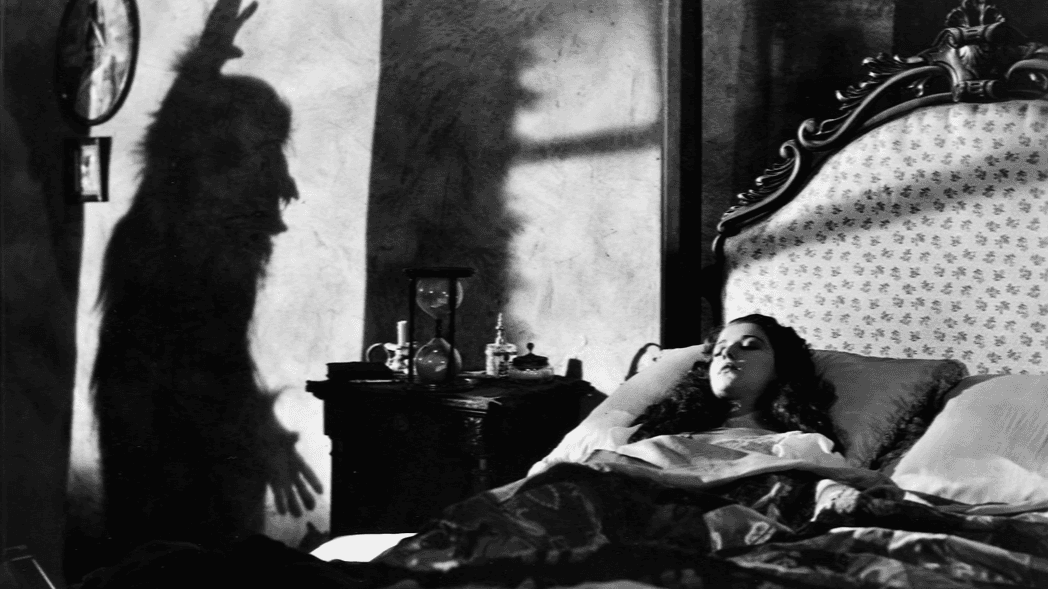
Know Before You Go
Plan your Visit
Theater Policies
Accessibility
Related Content
Screenings
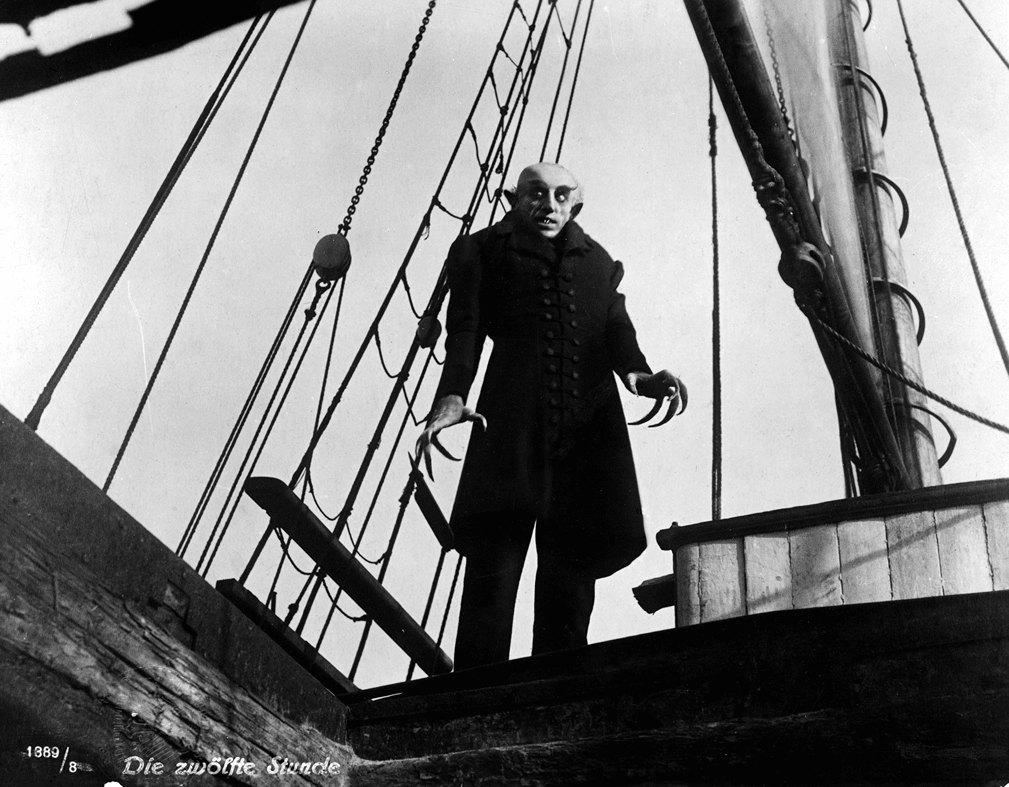
Nosferatu: A Symphony of Horror
In the Carpathian Mountains of Transylvania lies a remote castle belonging to the eerie Count Orlok (Max Schreck). Summoned by Orlok to close a deal on a house, Thomas Hutter (Gustav von Wangenheim) is soon trapped inside, becoming prey to the nosferatu (vampire). When the nightwalker sets his sights on Hutter’s wife, Ellen (Greta Schröder), Thomas must escape to save his young bride from a deadly fate. Though unauthorized, F. W. Murnau’s Nosferatu was the first adaptation of Bram Stoker’s novel Dracula. The film’s haunting visual style, coupled with Max Schreck’s spine-chilling portrayal of the bloodsucking Count Orlok, set the bar for all vampire films to follow.
DCP
Screenings
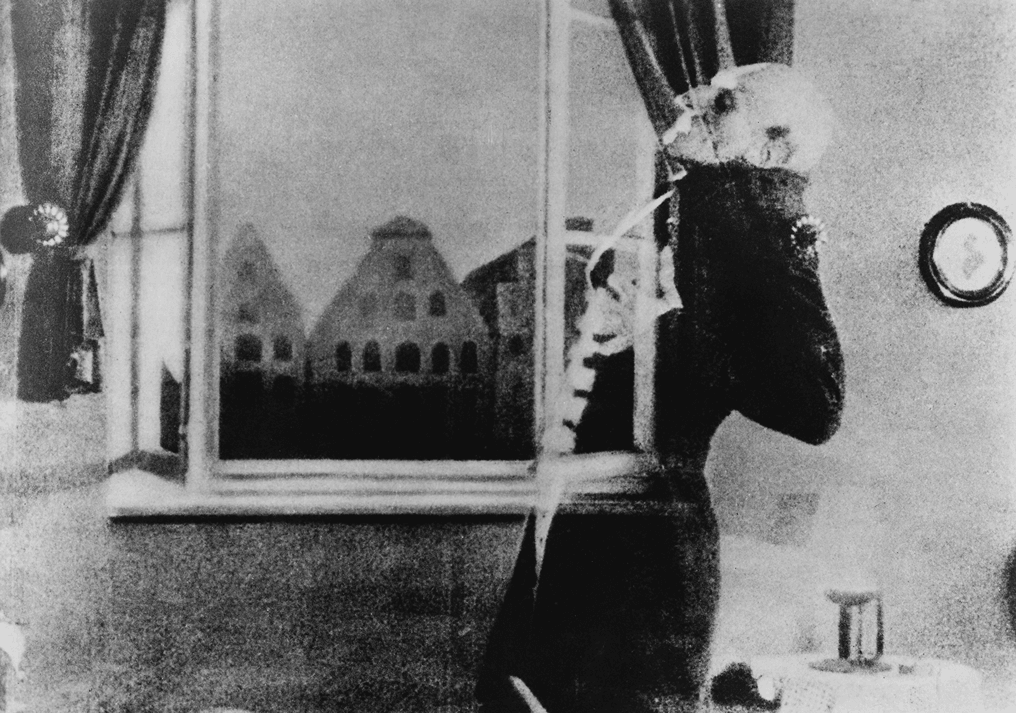
Nosferatu: A Symphony of Horror
In the Carpathian Mountains of Transylvania lies a remote castle belonging to the eerie Count Orlok (Max Schreck). Summoned by Orlok to close a deal on a house, Thomas Hutter (Gustav von Wangenheim) is soon trapped inside, becoming prey to the nosferatu (vampire). When the nightwalker sets his sights on Hutter’s wife, Ellen (Greta Schröder), Thomas must escape to save his young bride from a deadly fate. Though unauthorized, F. W. Murnau’s Nosferatu was the first adaptation of Bram Stoker’s novel Dracula. The film’s haunting visual style, coupled with Max Schreck’s spine-chilling portrayal of the bloodsucking Count Orlok, set the bar for all vampire films to follow.
DCP
Screenings
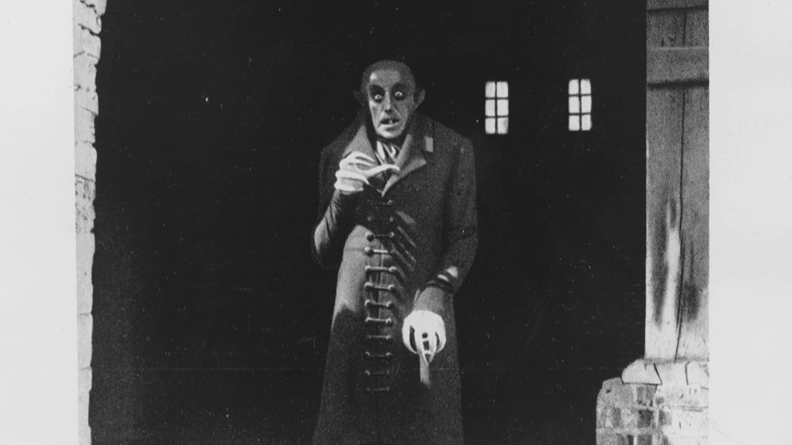
Nosferatu: A Symphony of Horror
In the Carpathian Mountains of Transylvania lies a remote castle belonging to the eerie Count Orlok (Max Schreck). Summoned by Orlok to close a deal on a house, Thomas Hutter (Gustav von Wangenheim) is soon trapped inside, becoming prey to the nosferatu (vampire). When the nightwalker sets his sights on Hutter’s wife, Ellen (Greta Schröder), Thomas must escape to save his young bride from a deadly fate. Though unauthorized, F. W. Murnau’s Nosferatu was the first adaptation of Bram Stoker’s novel Dracula. The film’s haunting visual style, coupled with Max Schreck’s spine-chilling portrayal of the bloodsucking Count Orlok, set the bar for all vampire films to follow.
DCP
Screenings
The Mummy in 4K
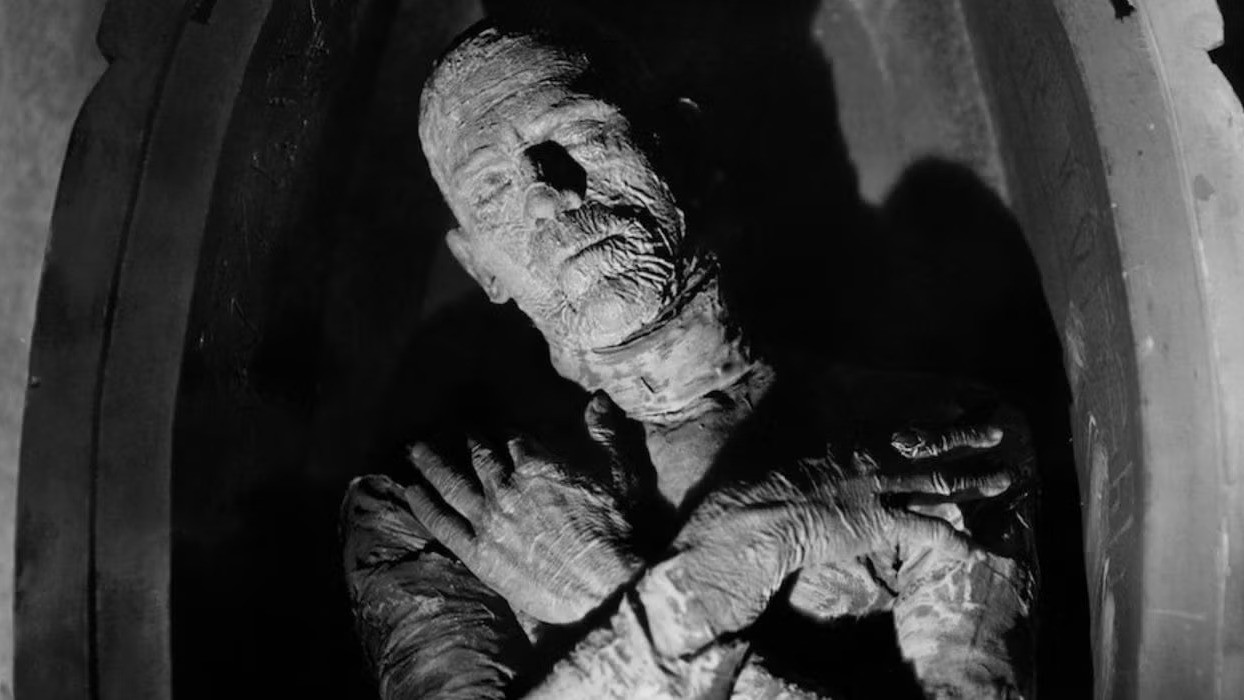
British archaeologists, led by Sir Joseph Whemple (Arthur Byron), are unearthing the mummified remains of an Egyptian priest named Imhotep (Boris Karloff)—buried alive for committing a sacrilegious act—when an assistant unwittingly wakes the unholy cleric. Inspired by the discovery of King Tut’s tomb in 1922, producer Carl Laemmle, Jr. was intrigued about the lore that followed the excavation. Reports of members of the expedition dying in mysterious circumstances convinced the public that the tomb was cursed, setting the mystique around Karloff's next creature feature post-Frankenstein (1931).
4K DCP
Screenings
The Mummy in 4K
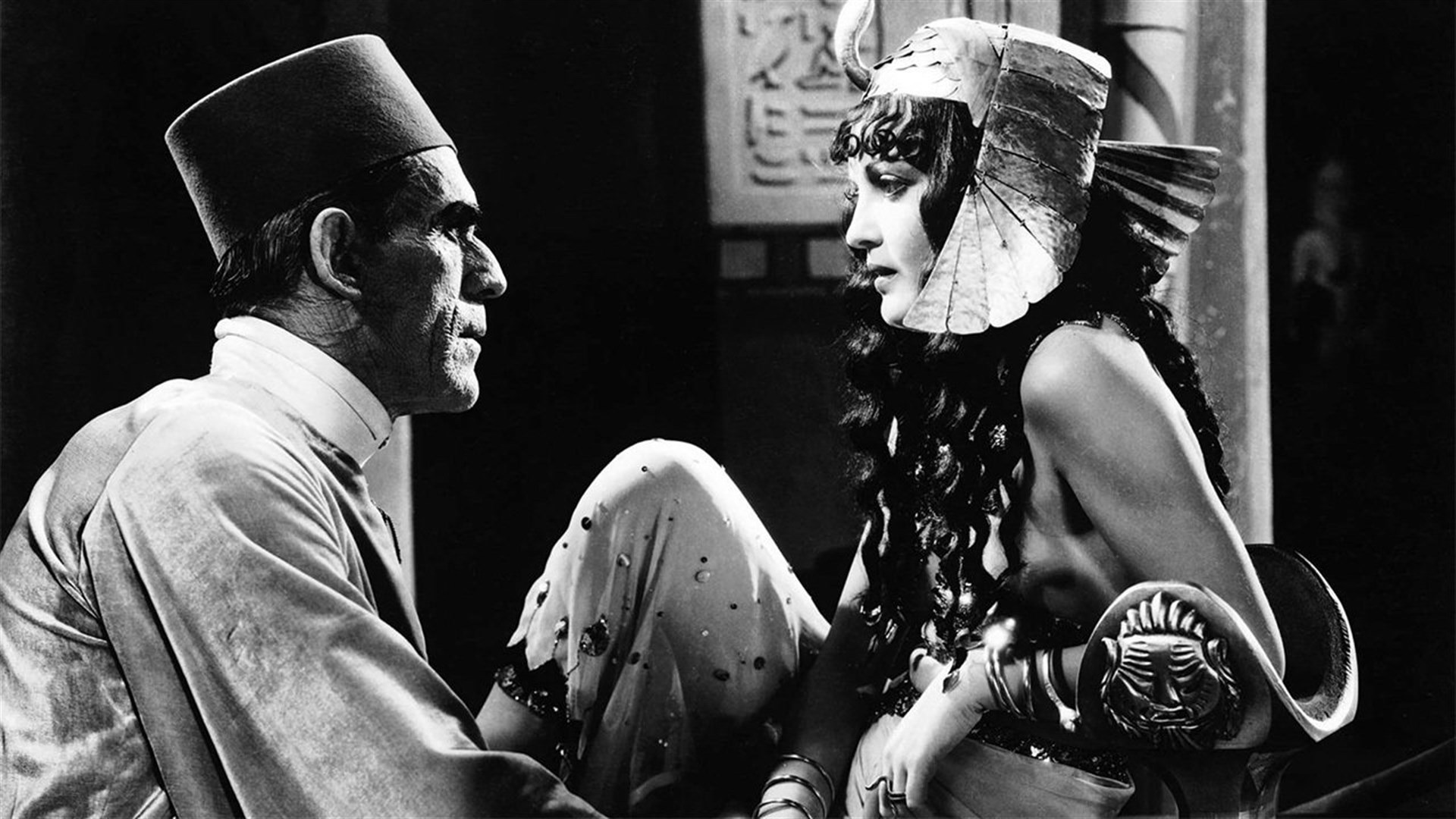
British archaeologists, led by Sir Joseph Whemple (Arthur Byron), are unearthing the mummified remains of an Egyptian priest named Imhotep (Boris Karloff)—buried alive for committing a sacrilegious act—when an assistant unwittingly wakes the unholy cleric. Inspired by the discovery of King Tut’s tomb in 1922, producer Carl Laemmle, Jr. was intrigued about the lore that followed the excavation. Reports of members of the expedition dying in mysterious circumstances convinced the public that the tomb was cursed, setting the mystique around Karloff's next creature feature post-Frankenstein (1931).
4K DCP
Screenings
The Mummy in 4K
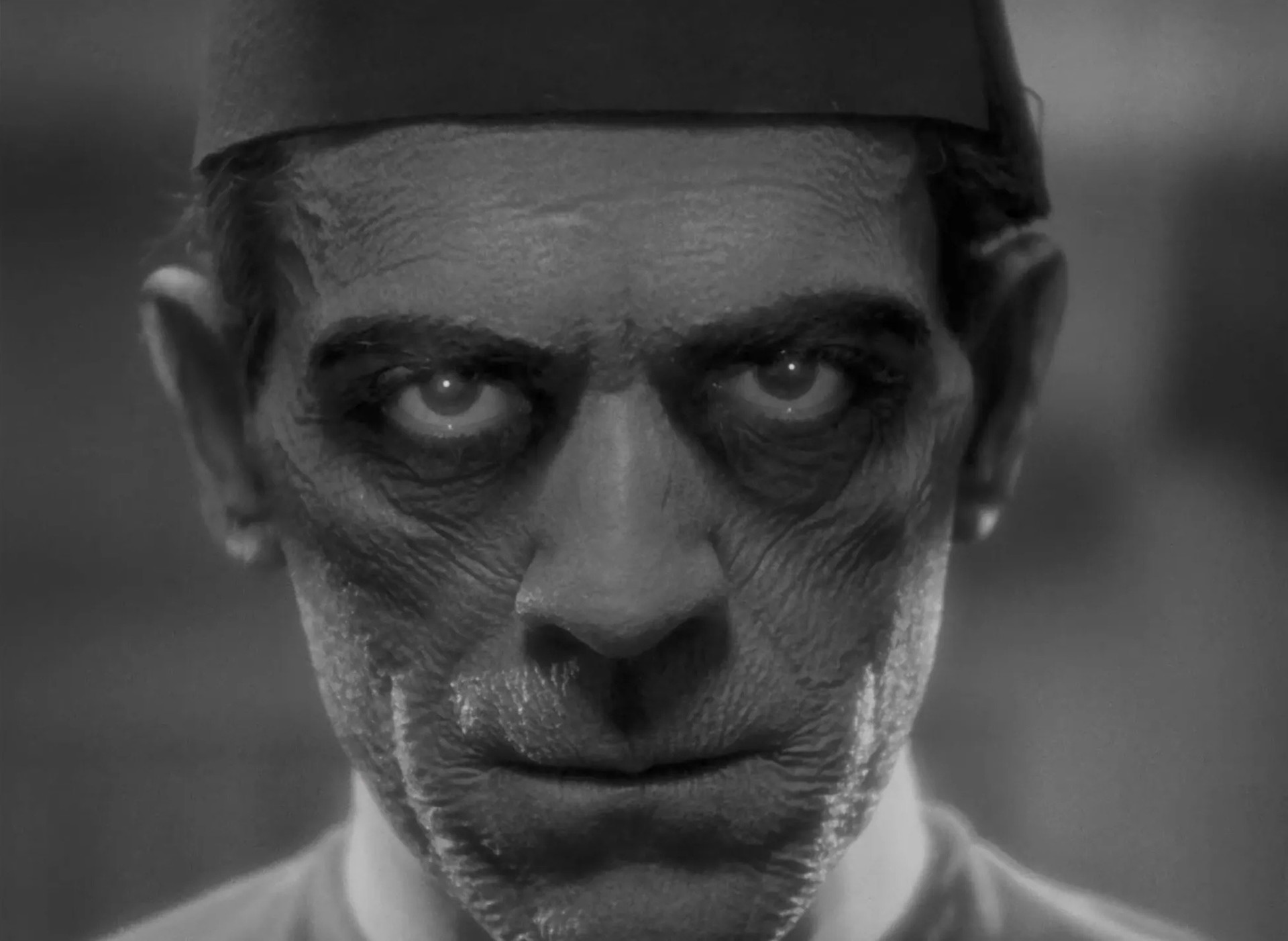
British archaeologists, led by Sir Joseph Whemple (Arthur Byron), are unearthing the mummified remains of an Egyptian priest named Imhotep (Boris Karloff)—buried alive for committing a sacrilegious act—when an assistant unwittingly wakes the unholy cleric. Inspired by the discovery of King Tut’s tomb in 1922, producer Carl Laemmle, Jr. was intrigued about the lore that followed the excavation. Reports of members of the expedition dying in mysterious circumstances convinced the public that the tomb was cursed, setting the mystique around Karloff's next creature feature post-Frankenstein (1931).
4K DCP
Screenings
The Phantom of the Opera
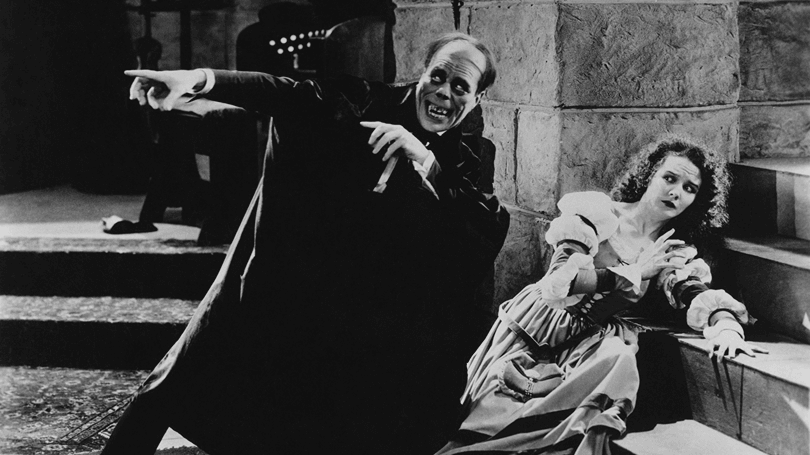
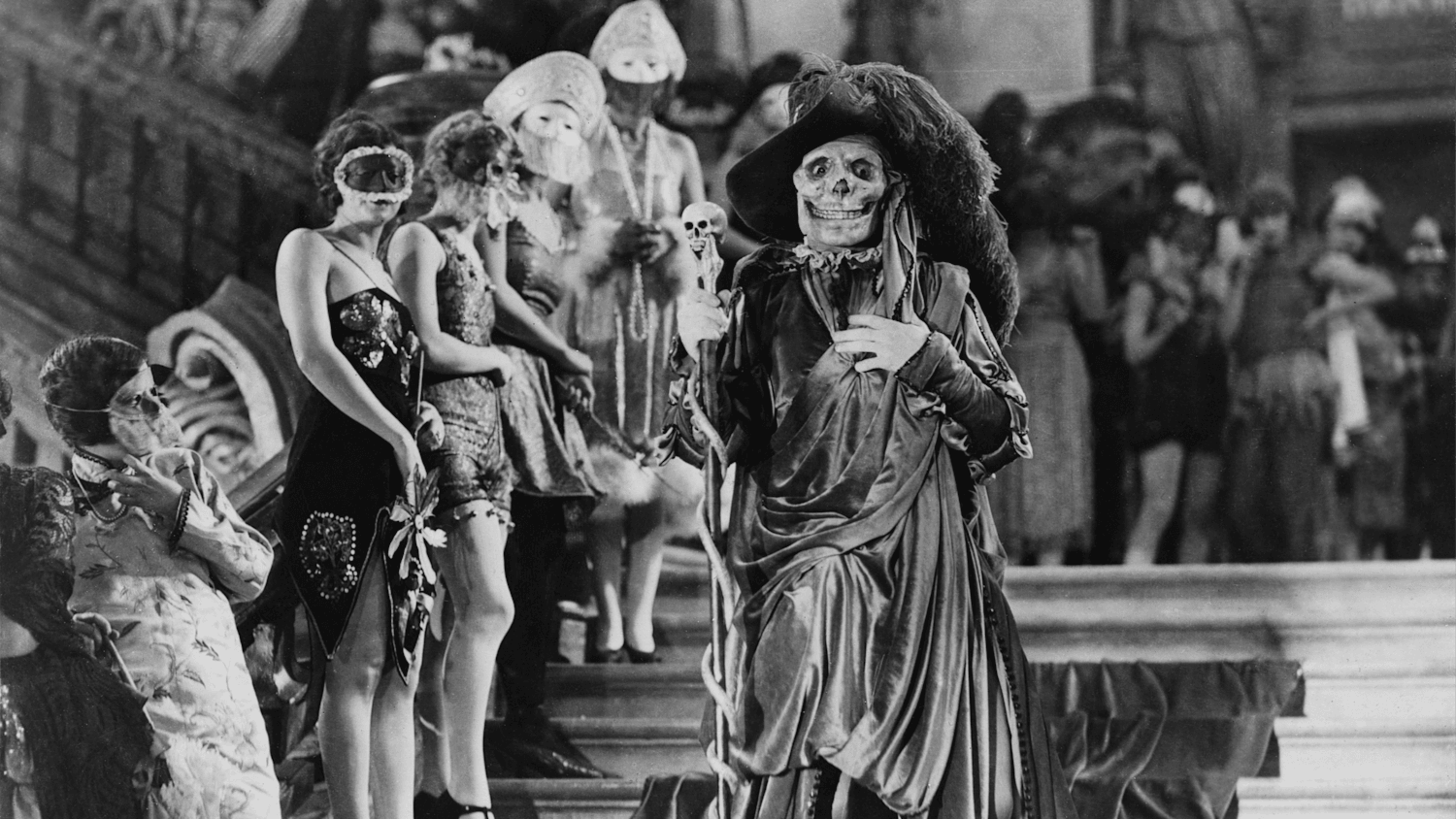
In this first American adaptation of French author Gaston Leroux’s celebrated 1910 novel of the same name, Erik (Lon Chaney), the elusive phantom haunting the Paris Opera House, creates havoc for the new owners in his quest to promote his pupil, Christine Daaé (Mary Philbin). Erik’s appearance was kept secret from marketing materials, saving Chaney’s terrifying makeup design for the public to discover in theaters. Movie houses were urged to carry smelling salts, as Erik’s unmasking was reported to cause audience members—unaccustomed to such graphic horror—to faint. This program presents the 1929 theatrical version, restored from archival 35mm elements.
DCP
Screenings
The Phantom of the Opera
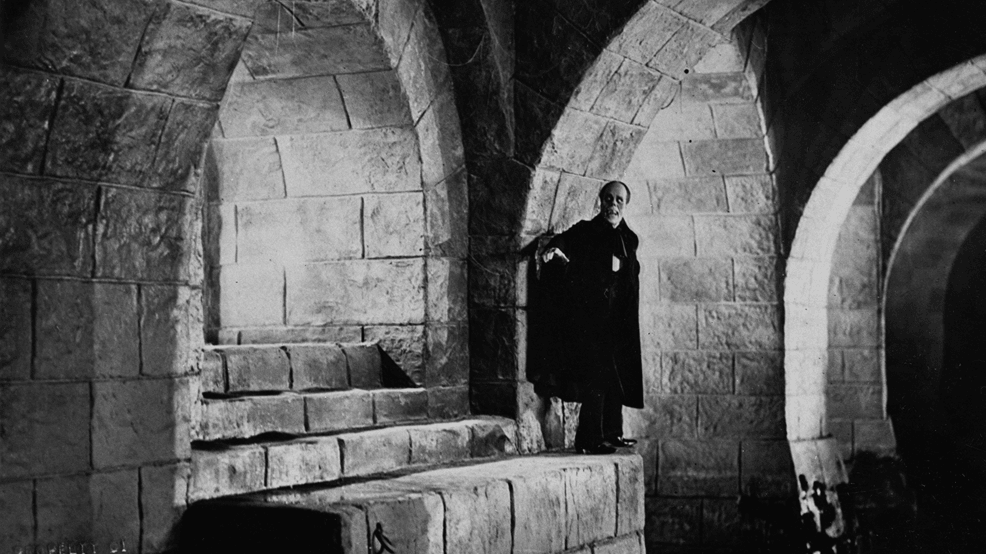
In this first American adaptation of French author Gaston Leroux’s celebrated 1910 novel of the same name, Erik (Lon Chaney), the elusive phantom haunting the Paris Opera House, creates havoc for the new owners in his quest to promote his pupil, Christine Daaé (Mary Philbin). Erik’s appearance was kept secret from marketing materials, saving Chaney’s terrifying makeup design for the public to discover in theaters. Movie houses were urged to carry smelling salts, as Erik’s unmasking was reported to cause audience members—unaccustomed to such graphic horror—to faint. This program presents the 1929 theatrical version, restored from archival 35mm elements.
DCP
Screenings
The Phantom of the Opera
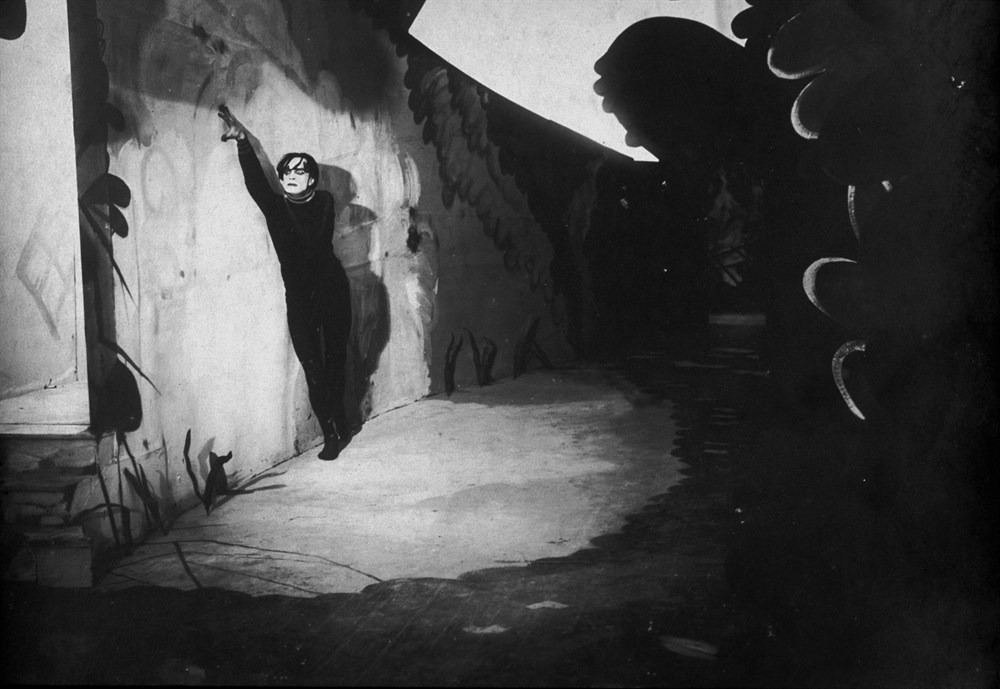
In this first American adaptation of French author Gaston Leroux’s celebrated 1910 novel of the same name, Erik (Lon Chaney), the elusive phantom haunting the Paris Opera House, creates havoc for the new owners in his quest to promote his pupil, Christine Daaé (Mary Philbin). Erik’s appearance was kept secret from marketing materials, saving Chaney’s terrifying makeup design for the public to discover in theaters. Movie houses were urged to carry smelling salts, as Erik’s unmasking was reported to cause audience members—unaccustomed to such graphic horror—to faint. This program presents the 1929 theatrical version, restored from archival 35mm elements.
DCP
Screenings
The Cabinet of Dr. Caligari
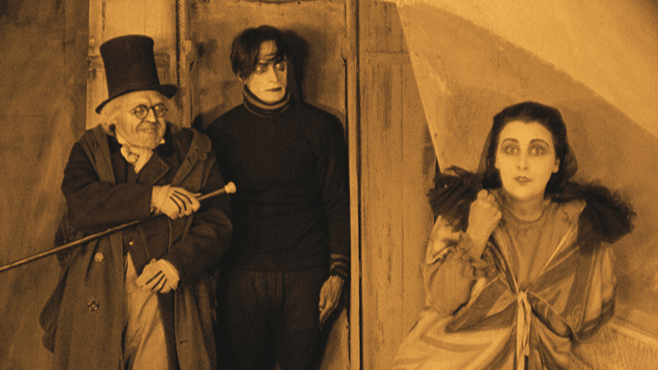
Hypnotist Dr. Caligari (Werner Krauss) presents somnambulist Cesare (Conrad Veidt) as a sideshow act, claiming the sleepwalking individual can predict the future, even someone’s death. But at nightfall, Caligari raises Cesare from his slumber to carry out his evil wishes. The Cabinet of Dr. Caligari gives visual form to the anxieties and disorientation that permeated Germany in the aftermath of World War I. In place of stable notions of order and truth, uncertainty and psychological unrest came to define the era. Production designer Hermann Warm translated this atmosphere into the expressionist angles, jagged perspectives, and painted shadows comprising the film’s stark, dreamlike sets.
DCP
Screenings
The Cabinet of Dr. Caligari
Hypnotist Dr. Caligari (Werner Krauss) presents somnambulist Cesare (Conrad Veidt) as a sideshow act, claiming the sleepwalking individual can predict the future, even someone’s death. But at nightfall, Caligari raises Cesare from his slumber to carry out his evil wishes. The Cabinet of Dr. Caligari gives visual form to the anxieties and disorientation that permeated Germany in the aftermath of World War I. In place of stable notions of order and truth, uncertainty and psychological unrest came to define the era. Production designer Hermann Warm translated this atmosphere into the expressionist angles, jagged perspectives, and painted shadows comprising the film’s stark, dreamlike sets.
DCP
Screenings
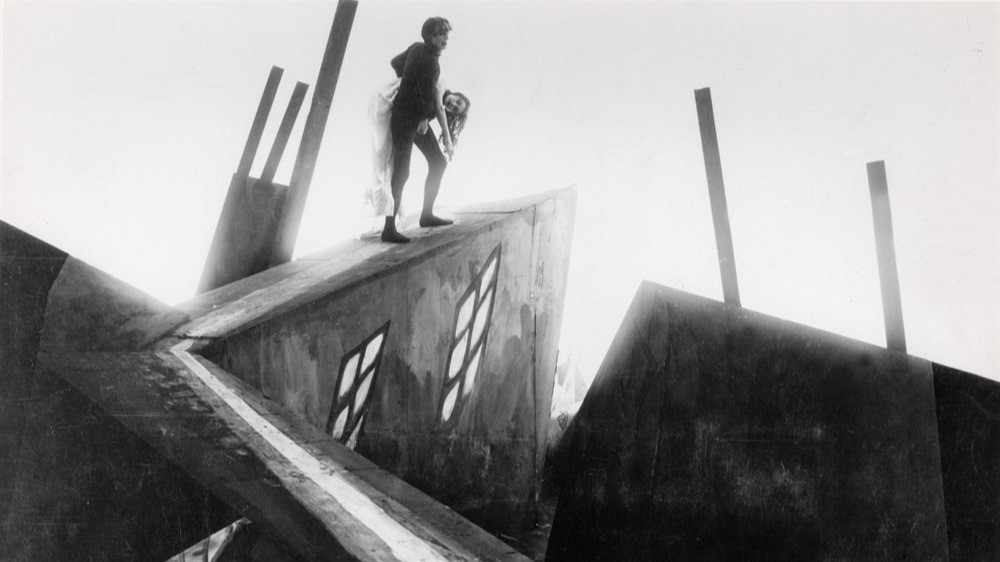
The Cabinet of Dr. Caligari
Hypnotist Dr. Caligari (Werner Krauss) presents somnambulist Cesare (Conrad Veidt) as a sideshow act, claiming the sleepwalking individual can predict the future, even someone’s death. But at nightfall, Caligari raises Cesare from his slumber to carry out his evil wishes. The Cabinet of Dr. Caligari gives visual form to the anxieties and disorientation that permeated Germany in the aftermath of World War I. In place of stable notions of order and truth, uncertainty and psychological unrest came to define the era. Production designer Hermann Warm translated this atmosphere into the expressionist angles, jagged perspectives, and painted shadows comprising the film’s stark, dreamlike sets.
DCP
Screenings
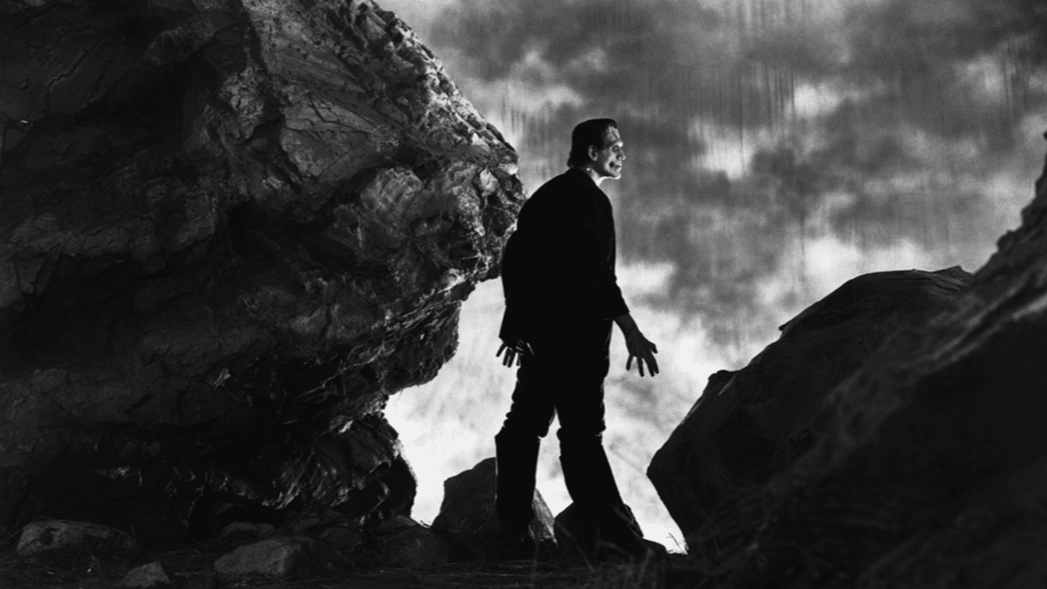
Frankenstein in 4K
A brilliant scientist (Colin Clive) creates a living being from parts of dead bodies in this stylish adaptation of Mary Shelley’s classic 1818 novel. Director James Whale (The Invisible Man, 1933) worked with art director Charles D. Hall (Dracula, 1931) and Dutch American set designer Herman Rosse (Bride of Frankenstein, 1935), to shape the visual style of 1931’s Frankenstein, which helped establish Universal as the top studio for horror in that decade. Rosse imagined a stark world that merged flamboyant architecture, expressionistic shadows, and futuristic laboratory equipment to evoke a properly gothic, black-and-white look.
4K DCP
Screenings
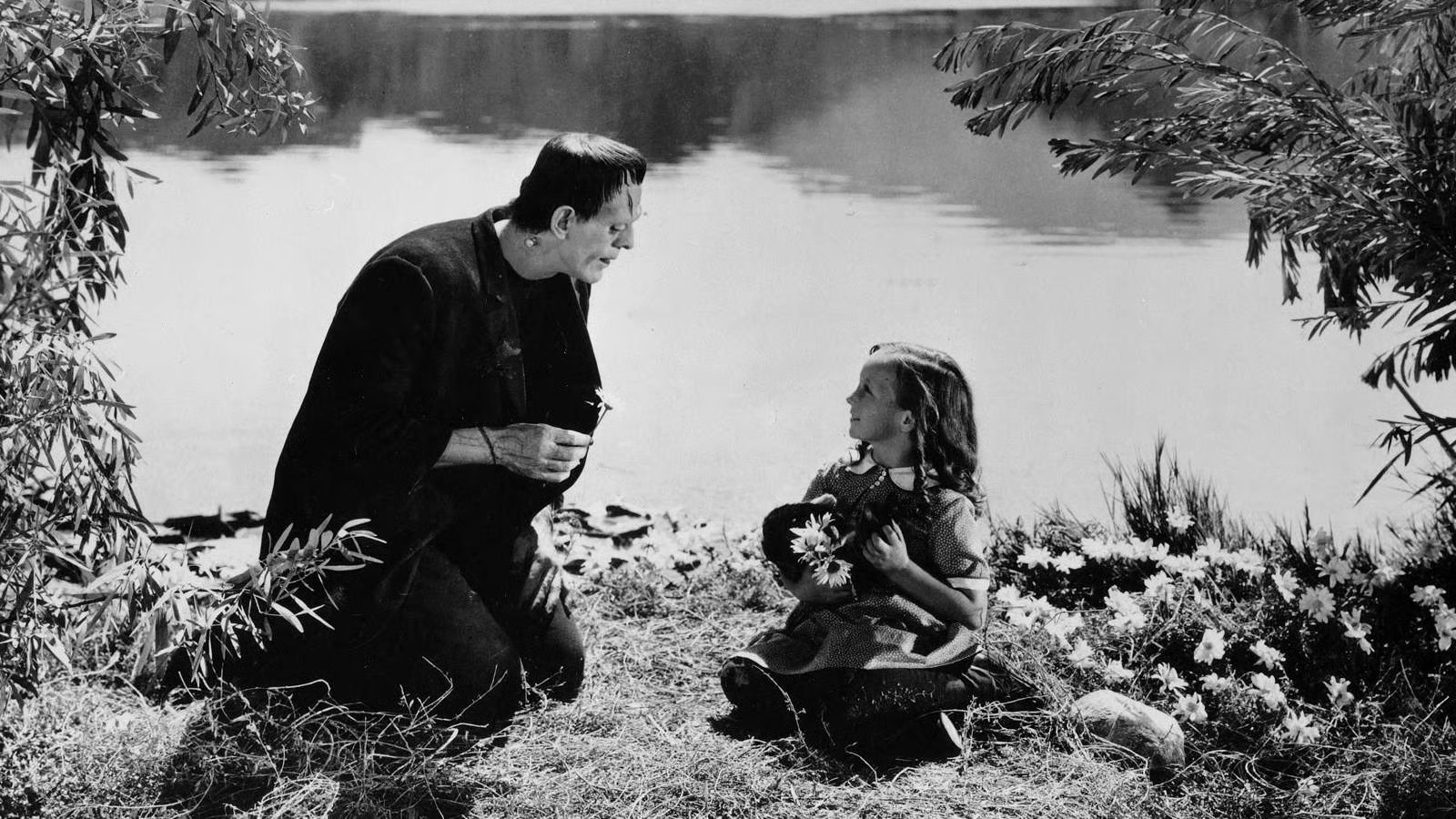
Frankenstein in 4K
A brilliant scientist (Colin Clive) creates a living being from parts of dead bodies in this stylish adaptation of Mary Shelley’s classic 1818 novel. Director James Whale (The Invisible Man, 1933) worked with art director Charles D. Hall (Dracula, 1931) and Dutch American set designer Herman Rosse (Bride of Frankenstein, 1935), to shape the visual style of 1931’s Frankenstein, which helped establish Universal as the top studio for horror in that decade. Rosse imagined a stark world that merged flamboyant architecture, expressionistic shadows, and futuristic laboratory equipment to evoke a properly gothic, black-and-white look.
4K DCP
Screenings
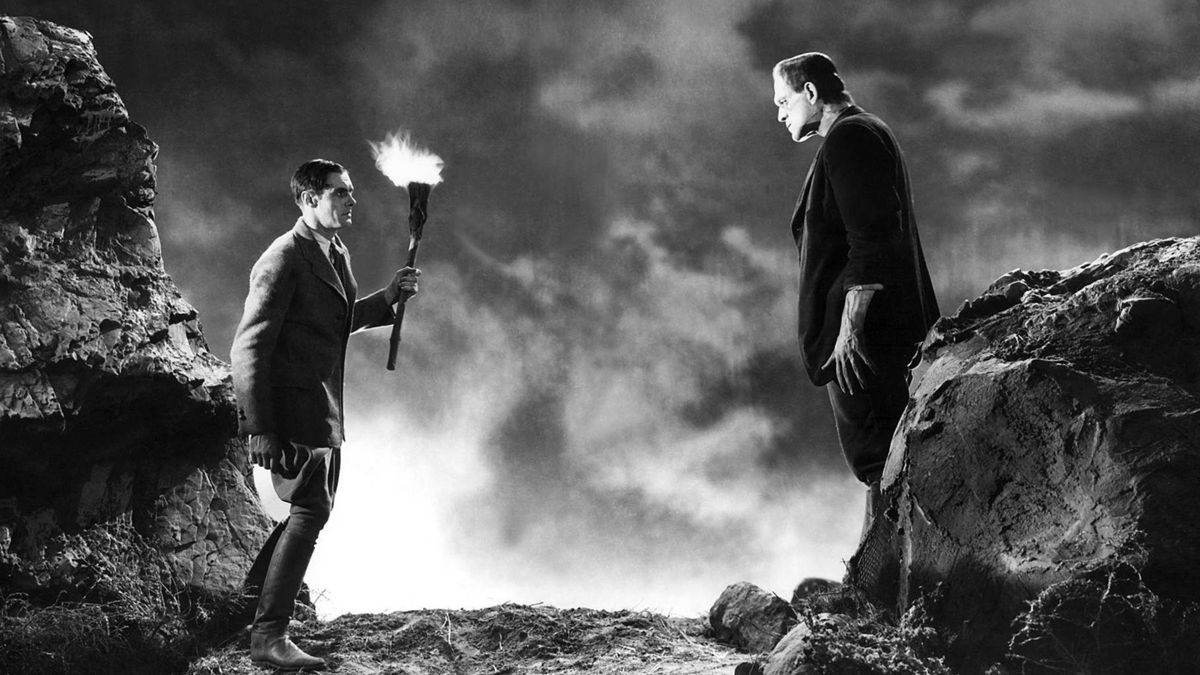
Frankenstein in 4K
A brilliant scientist (Colin Clive) creates a living being from parts of dead bodies in this stylish adaptation of Mary Shelley’s classic 1818 novel. Director James Whale (The Invisible Man, 1933) worked with art director Charles D. Hall (Dracula, 1931) and Dutch American set designer Herman Rosse (Bride of Frankenstein, 1935), to shape the visual style of 1931’s Frankenstein, which helped establish Universal as the top studio for horror in that decade. Rosse imagined a stark world that merged flamboyant architecture, expressionistic shadows, and futuristic laboratory equipment to evoke a properly gothic, black-and-white look.
4K DCP
Screenings
The Vampire Bat
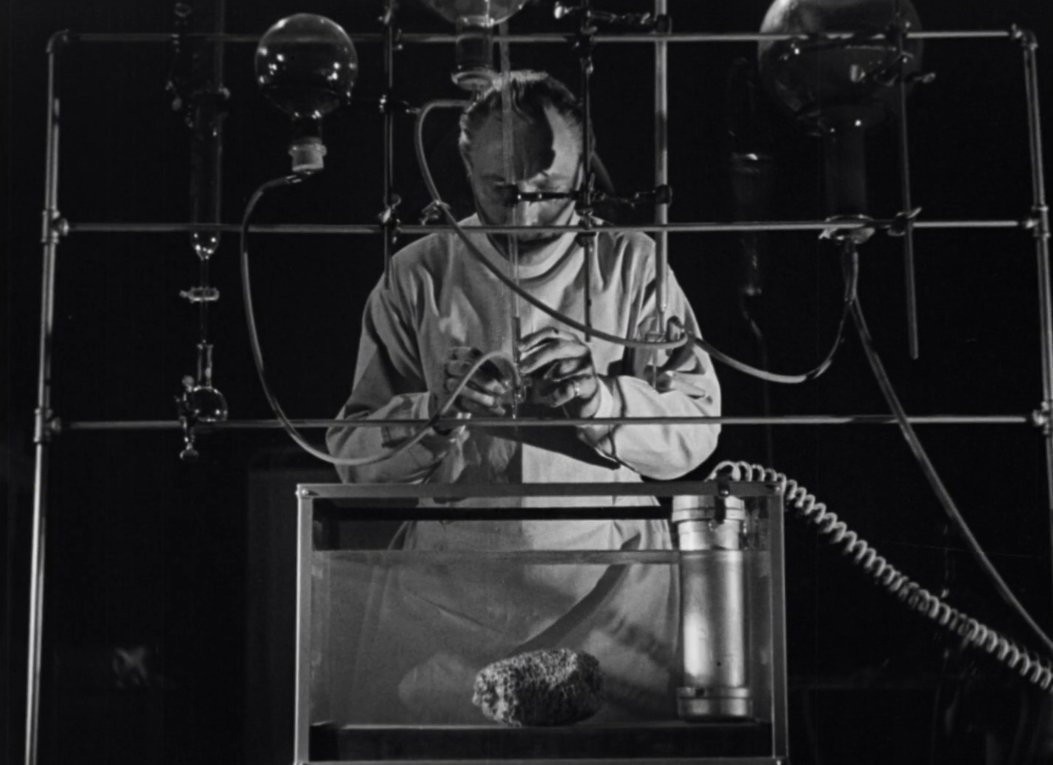
When corpses appear under mysterious circumstances—drained of blood and marked by puncture wounds on the neck—the panicked townsfolk of a small European village believe the vampires of old lore have returned. Police detective Karl Brettschneider (Melvyn Douglas) doubts the existence of bloodsucking nightcrawlers and sets out to find a more mundane killer. Independently produced by the Poverty Row studio Majestic Pictures, this sci-fi horror mystery has the air of a Universal creature feature, thanks in part to an agreement producer Phil Goldstone had with studio heads allowing him to borrow sets and contract players. The Vampire Bat used the backdrops created for Frankenstein (1931) and The Old Dark House (1932).
DCP
Screenings
The Vampire Bat
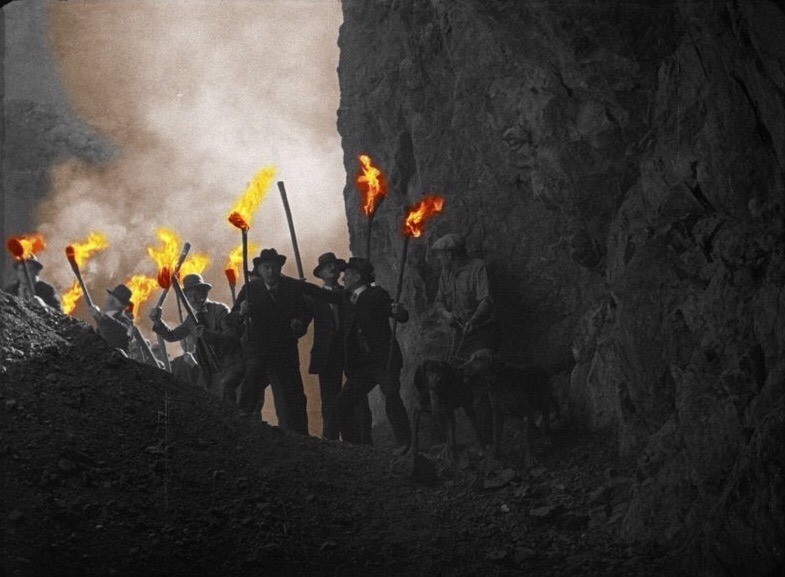
When corpses appear under mysterious circumstances—drained of blood and marked by puncture wounds on the neck—the panicked townsfolk of a small European village believe the vampires of old lore have returned. Police detective Karl Brettschneider (Melvyn Douglas) doubts the existence of bloodsucking nightcrawlers and sets out to find a more mundane killer. Independently produced by the Poverty Row studio Majestic Pictures, this sci-fi horror mystery has the air of a Universal creature feature, thanks in part to an agreement producer Phil Goldstone had with studio heads allowing him to borrow sets and contract players. The Vampire Bat used the backdrops created for Frankenstein (1931) and The Old Dark House (1932).
DCP
Screenings
The Vampire Bat
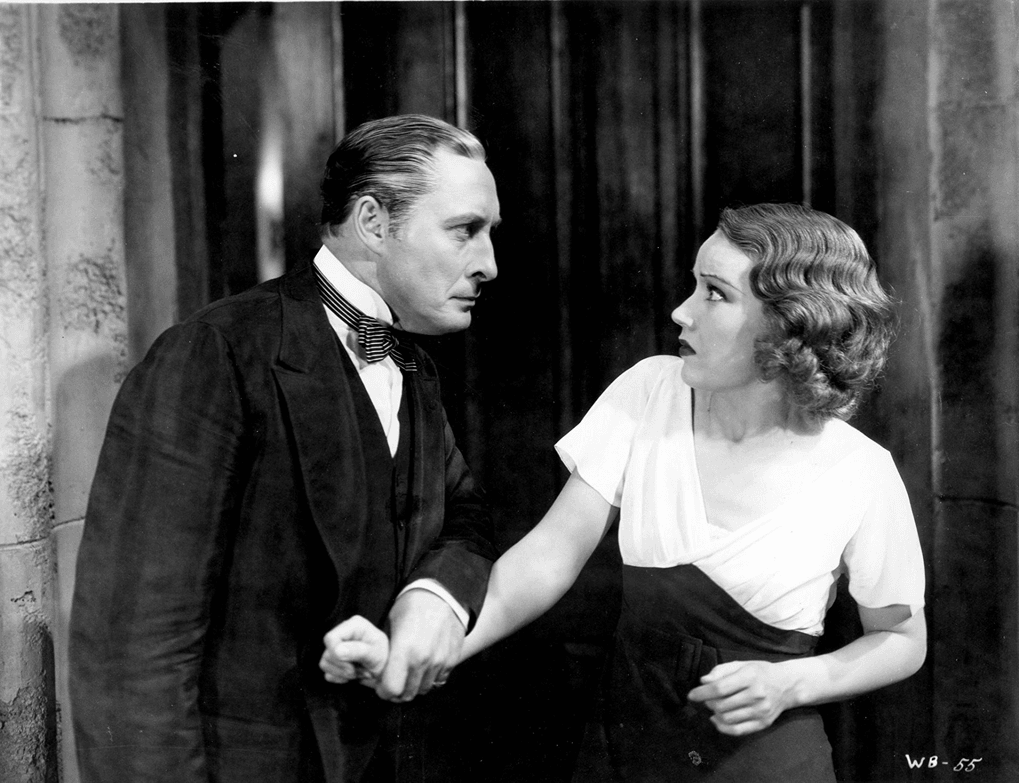
When corpses appear under mysterious circumstances—drained of blood and marked by puncture wounds on the neck—the panicked townsfolk of a small European village believe the vampires of old lore have returned. Police detective Karl Brettschneider (Melvyn Douglas) doubts the existence of bloodsucking nightcrawlers and sets out to find a more mundane killer. Independently produced by the Poverty Row studio Majestic Pictures, this sci-fi horror mystery has the air of a Universal creature feature, thanks in part to an agreement producer Phil Goldstone had with studio heads allowing him to borrow sets and contract players. The Vampire Bat used the backdrops created for Frankenstein (1931) and The Old Dark House (1932).
DCP
Screenings
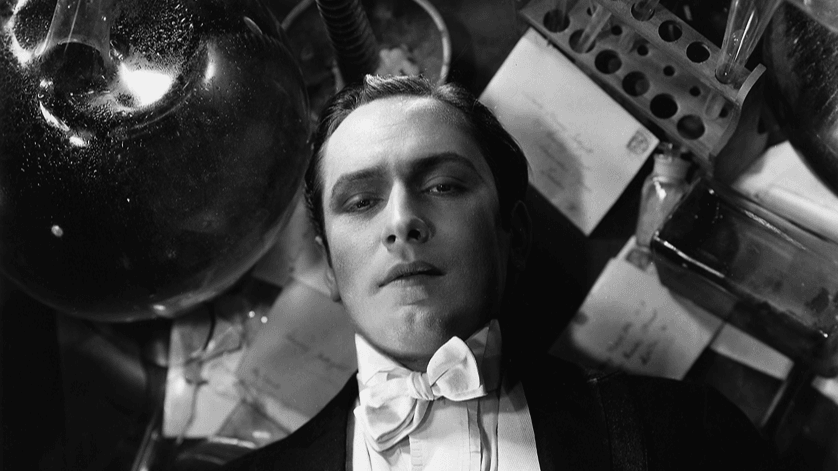
Dr. Jekyll and Mr. Hyde
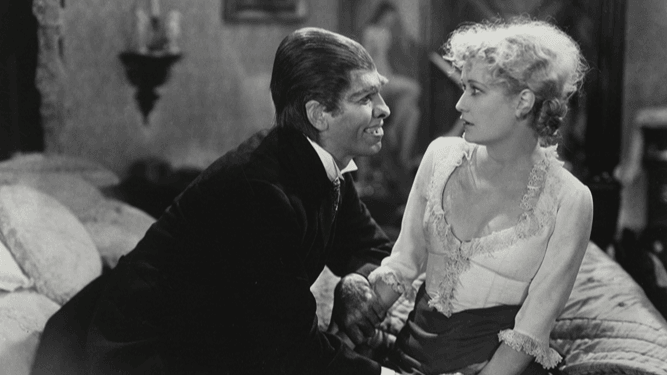
In this early adaptation of Robert Louis Stevenson’s The Strange Case of Dr. Jekyll and Mr. Hyde (1886), Fredric March stars as the unfortunate doctor, who—struggling between the choice of good and evil—creates an elixir to purify men of wrongdoing. Dr. Jekyll drinks the potion, inadvertently unleashing his brute, sinister, and self-indulgent side in Mr. Edwin Hyde. The first horror film to achieve Academy Award nominations, Dr. Jekyll and Mr. Hyde earned recognition for Writing (Adaptation) by Percy Heath and Samuel Hoffenstein and Cinematography by Karl Struss with Fredric March winning the award for Best Actor—in a tie with Wallace Beery for The Champ (1931).
DCP
Screenings
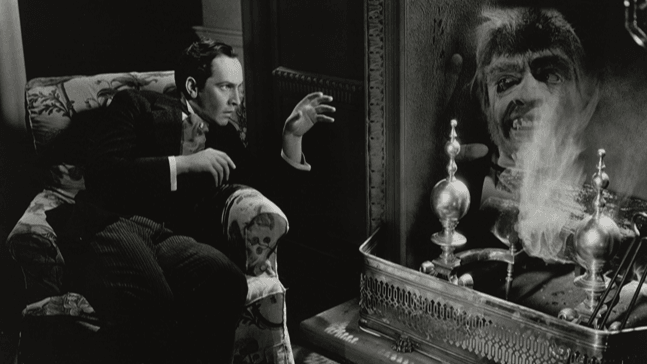
Dr. Jekyll and Mr. Hyde
In this early adaptation of Robert Louis Stevenson’s The Strange Case of Dr. Jekyll and Mr. Hyde (1886), Fredric March stars as the unfortunate doctor, who—struggling between the choice of good and evil—creates an elixir to purify men of wrongdoing. Dr. Jekyll drinks the potion, inadvertently unleashing his brute, sinister, and self-indulgent side in Mr. Edwin Hyde. The first horror film to achieve Academy Award nominations, Dr. Jekyll and Mr. Hyde earned recognition for Writing (Adaptation) by Percy Heath and Samuel Hoffenstein and Cinematography by Karl Struss with Fredric March winning the award for Best Actor—in a tie with Wallace Beery for The Champ (1931).
DCP
Screenings
Dr. Jekyll and Mr. Hyde
In this early adaptation of Robert Louis Stevenson’s The Strange Case of Dr. Jekyll and Mr. Hyde (1886), Fredric March stars as the unfortunate doctor, who—struggling between the choice of good and evil—creates an elixir to purify men of wrongdoing. Dr. Jekyll drinks the potion, inadvertently unleashing his brute, sinister, and self-indulgent side in Mr. Edwin Hyde. The first horror film to achieve Academy Award nominations, Dr. Jekyll and Mr. Hyde earned recognition for Writing (Adaptation) by Percy Heath and Samuel Hoffenstein and Cinematography by Karl Struss with Fredric March winning the award for Best Actor—in a tie with Wallace Beery for The Champ (1931).
DCP
Screenings
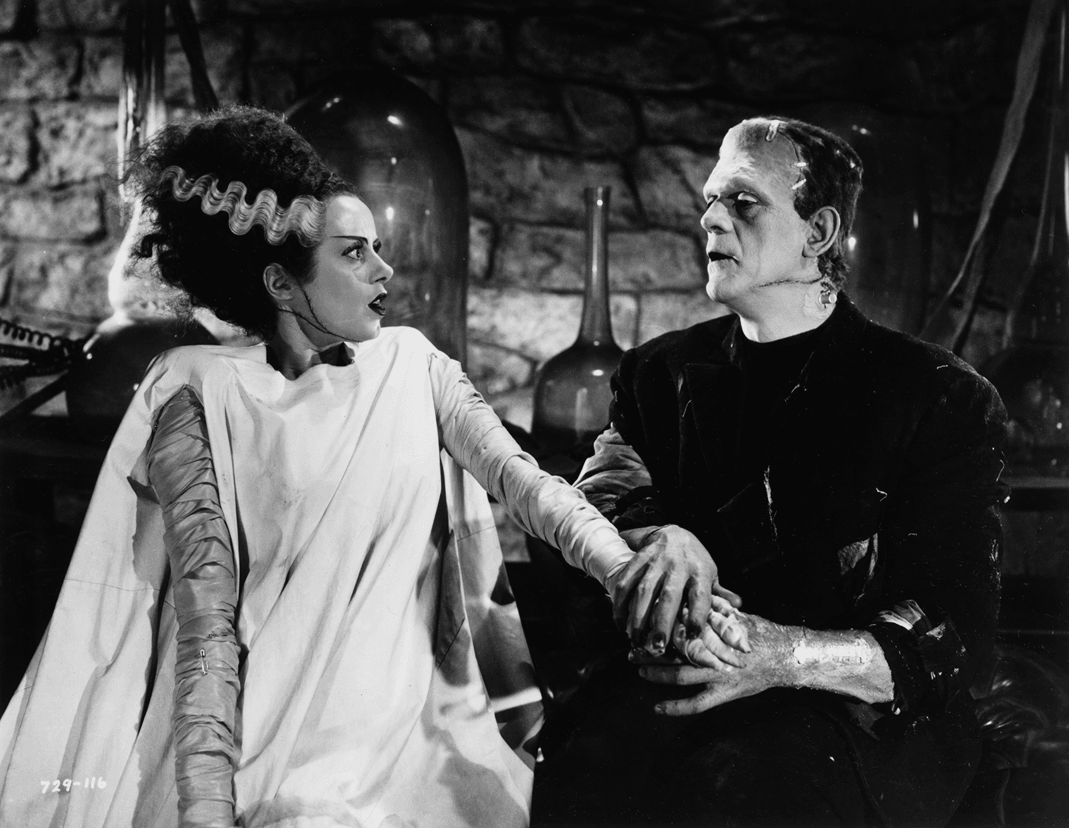
Bride of Frankenstein in 4K
Easily one of the most beloved sequels ever made, Bride of Frankenstein finds The Monster (Boris Karloff) demanding that Dr. Frankenstein (Colin Clive) build him a companion. Elsa Lanchester’s bride character, with her signature shock of white-streaked hair, has become one of movie history’s most recognizable characters. Lanchester worked closely with director James Whale and makeup artist Jack Pierce to fashion her iconic hairdo. Director James Whale’s final horror film, after genre-setting triumphs such as Frankenstein (1931) and The Invisible Man (1933), Bride of Frankenstein is delirious, atmospheric entertainment that has inspired generations of filmmakers.
4K DCP
Screenings
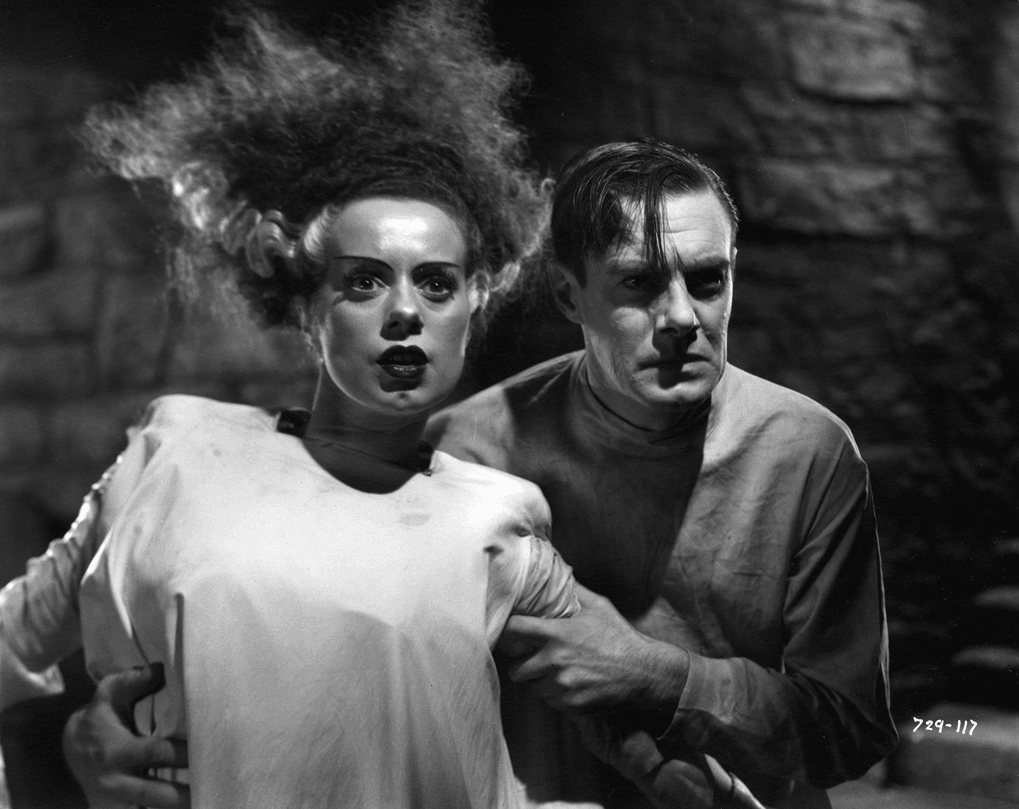
Bride of Frankenstein in 4K
Easily one of the most beloved sequels ever made, Bride of Frankenstein finds The Monster (Boris Karloff) demanding that Dr. Frankenstein (Colin Clive) build him a companion. Elsa Lanchester’s bride character, with her signature shock of white-streaked hair, has become one of movie history’s most recognizable characters. Lanchester worked closely with director James Whale and makeup artist Jack Pierce to fashion her iconic hairdo. Director James Whale’s final horror film, after genre-setting triumphs such as Frankenstein (1931) and The Invisible Man (1933), Bride of Frankenstein is delirious, atmospheric entertainment that has inspired generations of filmmakers.
4K DCP
Screenings
Bride of Frankenstein in 4K
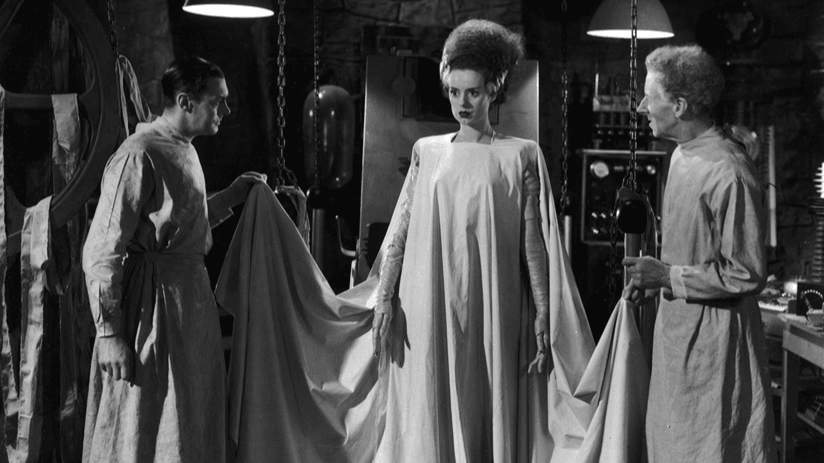
Easily one of the most beloved sequels ever made, Bride of Frankenstein finds The Monster (Boris Karloff) demanding that Dr. Frankenstein (Colin Clive) build him a companion. Elsa Lanchester’s bride character, with her signature shock of white-streaked hair, has become one of movie history’s most recognizable characters. Lanchester worked closely with director James Whale and makeup artist Jack Pierce to fashion her iconic hairdo. Director James Whale’s final horror film, after genre-setting triumphs such as Frankenstein (1931) and The Invisible Man (1933), Bride of Frankenstein is delirious, atmospheric entertainment that has inspired generations of filmmakers.
4K DCP
Screenings
Murders in the Rue Morgue
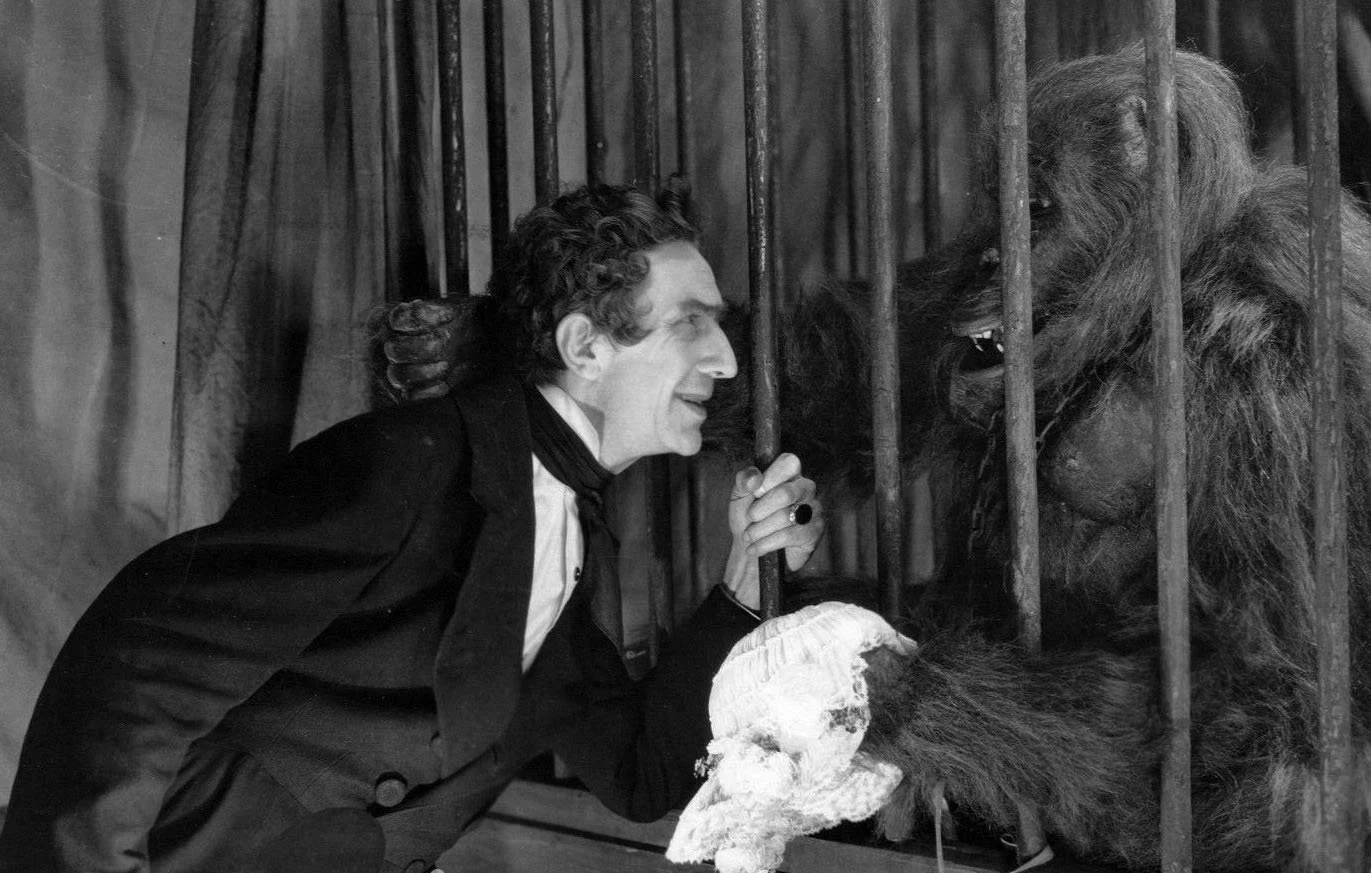
Dr. Mirakle (Bela Lugosi), a mad scientist with a talking pet ape, exhibits the creature at sideshows in Paris. Med student Pierre Dupin (Leon Waycoff) visits the carnival attraction, where his fiancée, Camille L’Espanaye (Sidney Fox), catches the attention of the sinister doctor. Dr. Mirakle, looking to find a prospective bride for his unusual gorilla, believes has found a match in Camille. Murders in the Rue Morgue was Bela Lugosi’s first project after his massive success with Dracula (1931). An adaptation of Edgar Allan Poe’s 1841 short story of the same name, Robert Florey’s Rue Morgue expands the detective fable into science fiction horror.
DCP
Screenings
Murders in the Rue Morgue
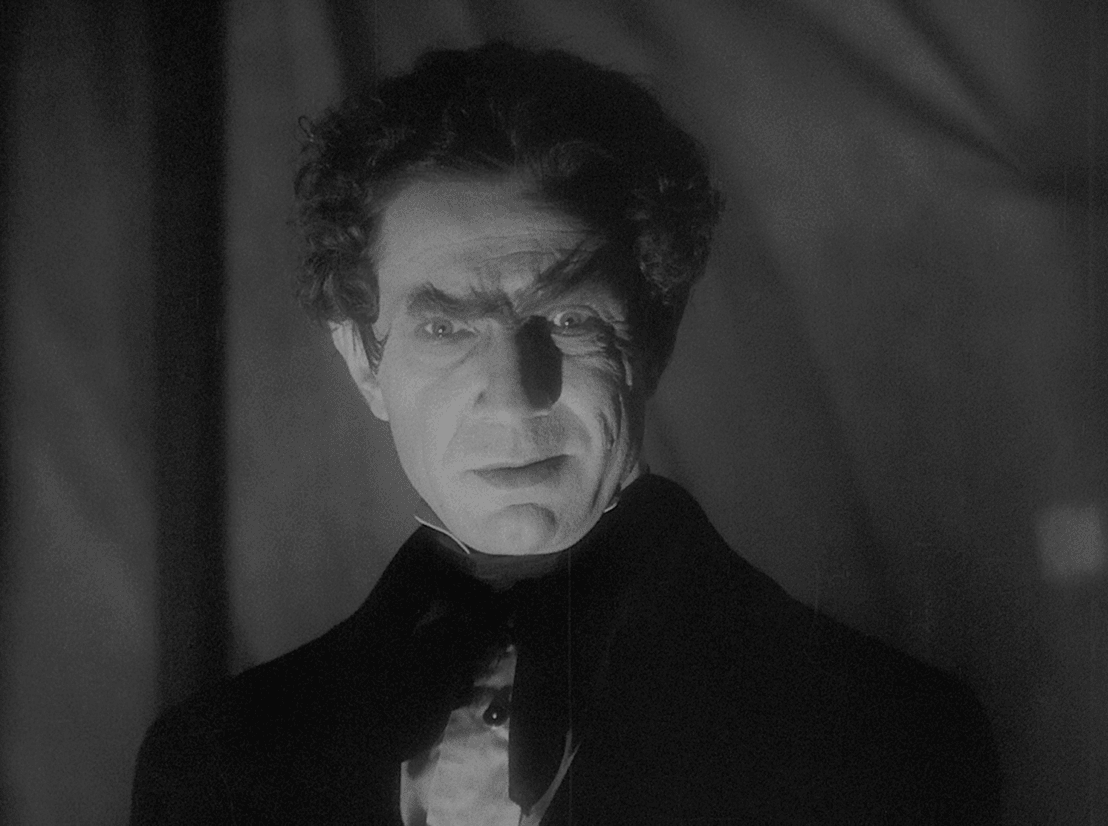
Dr. Mirakle (Bela Lugosi), a mad scientist with a talking pet ape, exhibits the creature at sideshows in Paris. Med student Pierre Dupin (Leon Waycoff) visits the carnival attraction, where his fiancée, Camille L’Espanaye (Sidney Fox), catches the attention of the sinister doctor. Dr. Mirakle, looking to find a prospective bride for his unusual gorilla, believes has found a match in Camille. Murders in the Rue Morgue was Bela Lugosi’s first project after his massive success with Dracula (1931). An adaptation of Edgar Allan Poe’s 1841 short story of the same name, Robert Florey’s Rue Morgue expands the detective fable into science fiction horror.
DCP
Screenings
Dracula in 4K
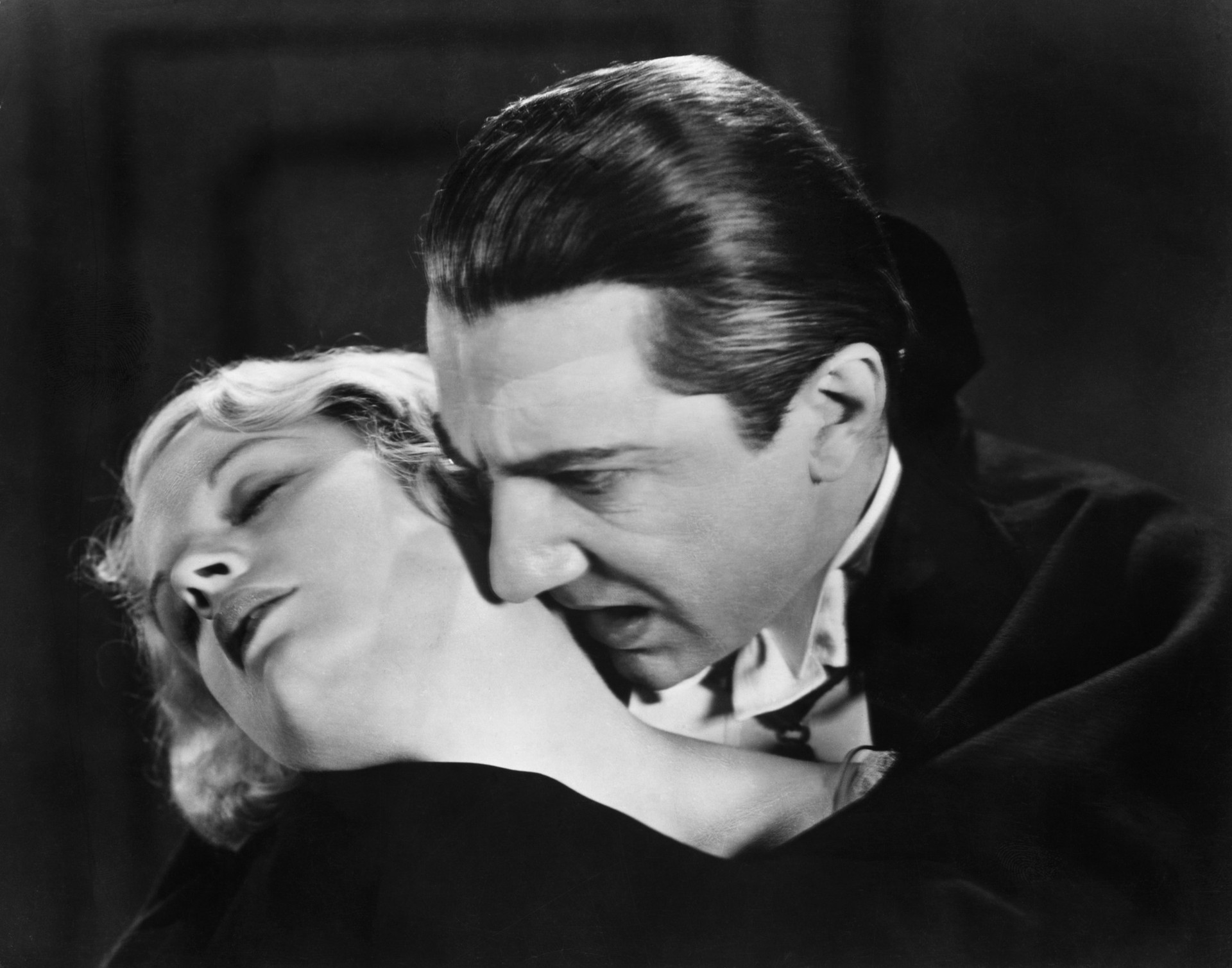
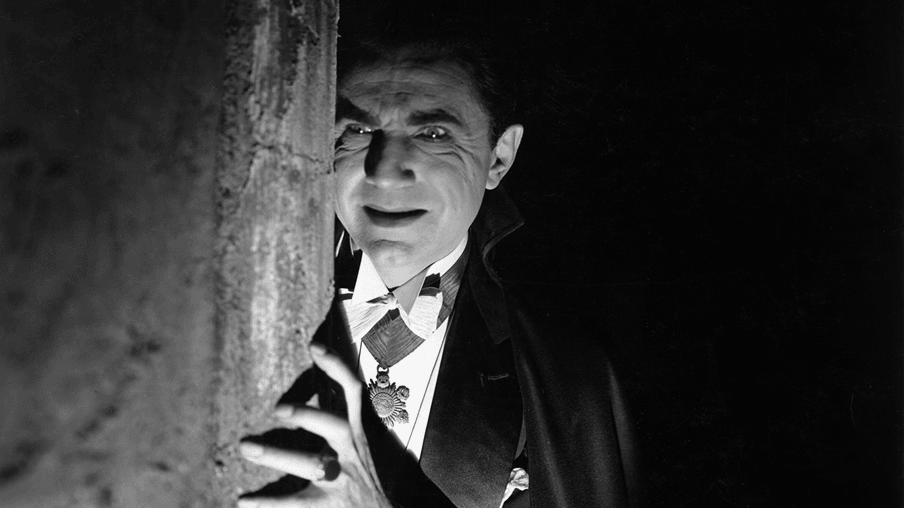
Bela Lugosi stars as the mysterious Count Dracula in this first sound adaptation of Bram Stoker’s novel of the same name. Lugosi first played Dracula in a 1927 theatrical production before lobbying Universal Pictures for the role in the 1931 film adaptation. A Hungarian immigrant whose distinctive accent shaped his screen persona, Lugosi embodied Dracula as both irresistibly charismatic and an intriguing outsider. The massive success of the film led to the production of Frankenstein (1931), The Mummy (1932), The Invisible Man (1933) and Bride of Frankenstein (1935), initiating the Universal Monsters franchise as we know it.
4K DCP
Screenings
Dracula in 4K
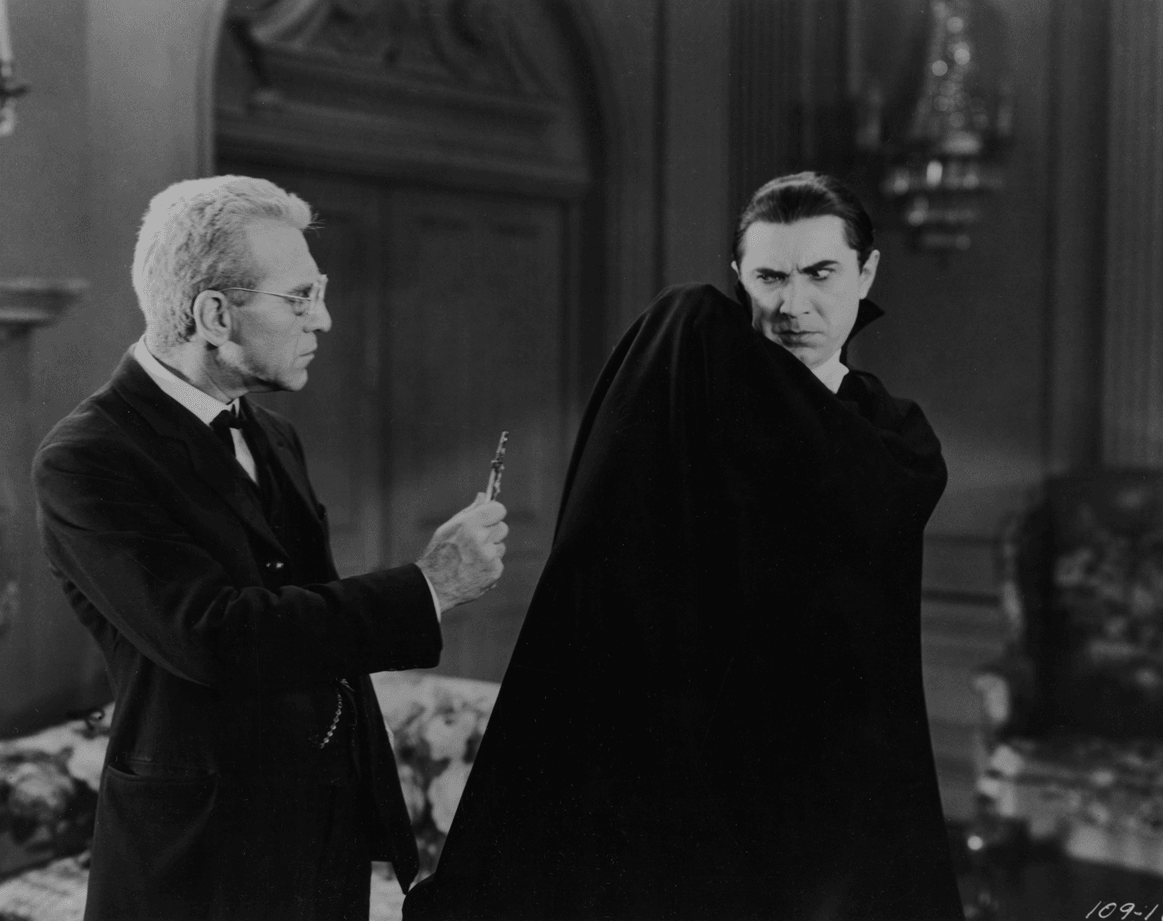
Bela Lugosi stars as the mysterious Count Dracula in this first sound adaptation of Bram Stoker’s novel of the same name. Lugosi first played Dracula in a 1927 theatrical production before lobbying Universal Pictures for the role in the 1931 film adaptation. A Hungarian immigrant whose distinctive accent shaped his screen persona, Lugosi embodied Dracula as both irresistibly charismatic and an intriguing outsider. The massive success of the film led to the production of Frankenstein (1931), The Mummy (1932), The Invisible Man (1933) and Bride of Frankenstein (1935), initiating the Universal Monsters franchise as we know it.
4K DCP
Screenings
Dracula in 4K
Bela Lugosi stars as the mysterious Count Dracula in this first sound adaptation of Bram Stoker’s novel of the same name. Lugosi first played Dracula in a 1927 theatrical production before lobbying Universal Pictures for the role in the 1931 film adaptation. A Hungarian immigrant whose distinctive accent shaped his screen persona, Lugosi embodied Dracula as both irresistibly charismatic and an intriguing outsider. The massive success of the film led to the production of Frankenstein (1931), The Mummy (1932), The Invisible Man (1933) and Bride of Frankenstein (1935), initiating the Universal Monsters franchise as we know it.
4K DCP