Screening from Series Roberto Rossellini Prefers Real Life
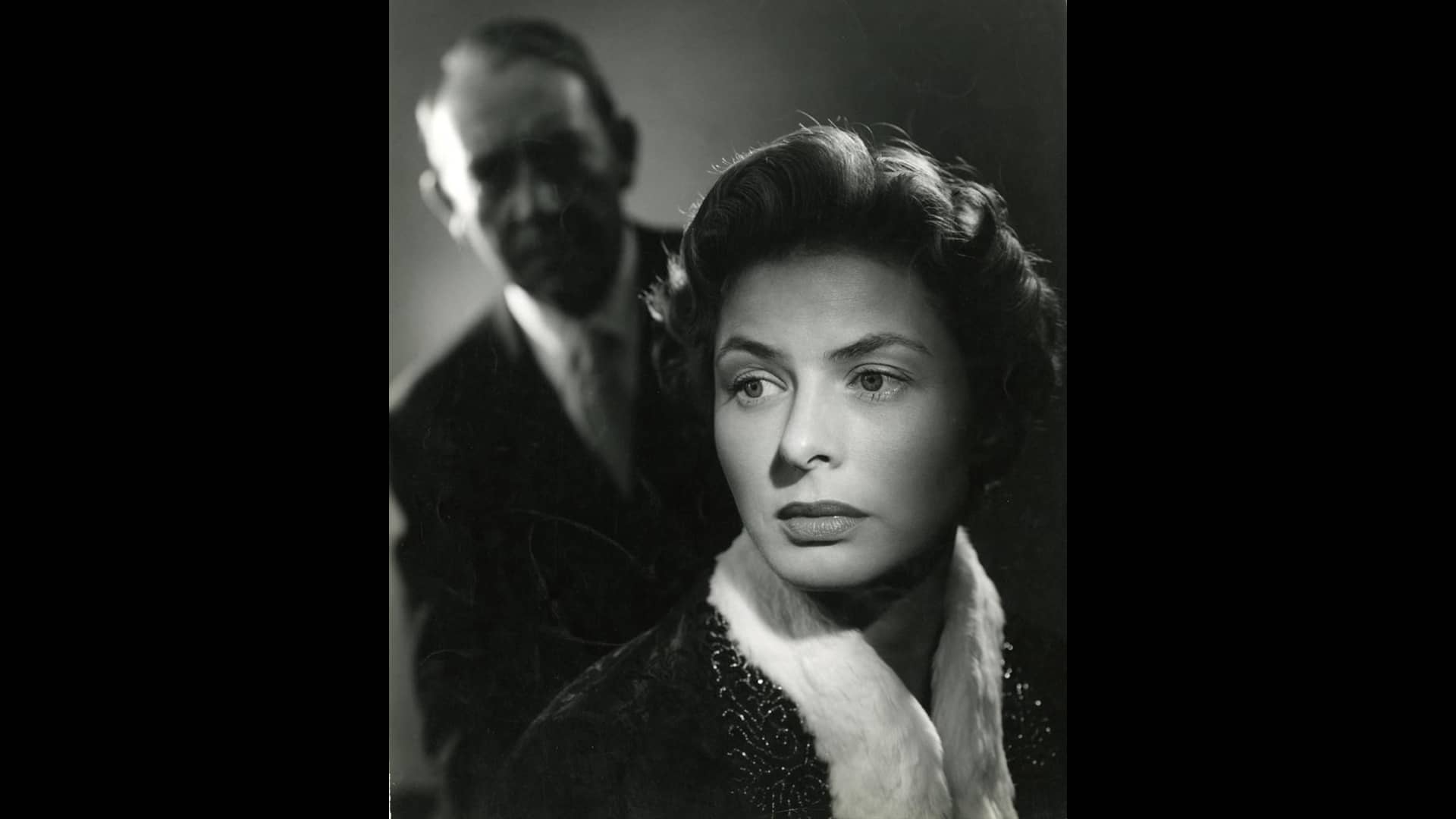
Fear (La Paura) in 4K
4K restoration world premiere
Starts at $5
Sun, Nov 29, 2026
Know Before You Go
Plan your Visit
Theater Policies
Accessibility
Screenings
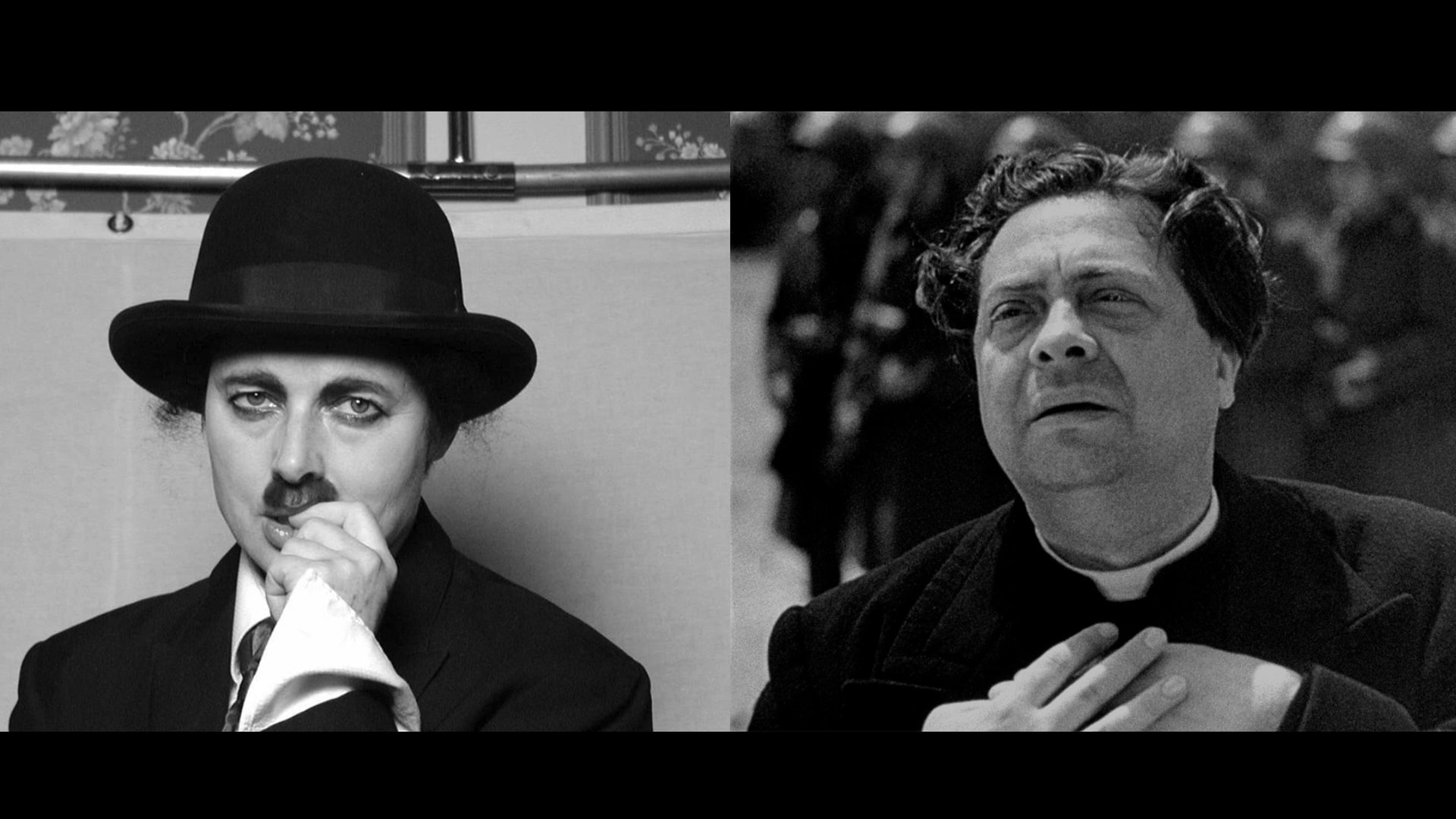
My Dad Is 100 Years Old with Rome, Open City presented by Isabella Rossellini
In person: Isabella Rossellini
DCP / 4K DCP
Screenings
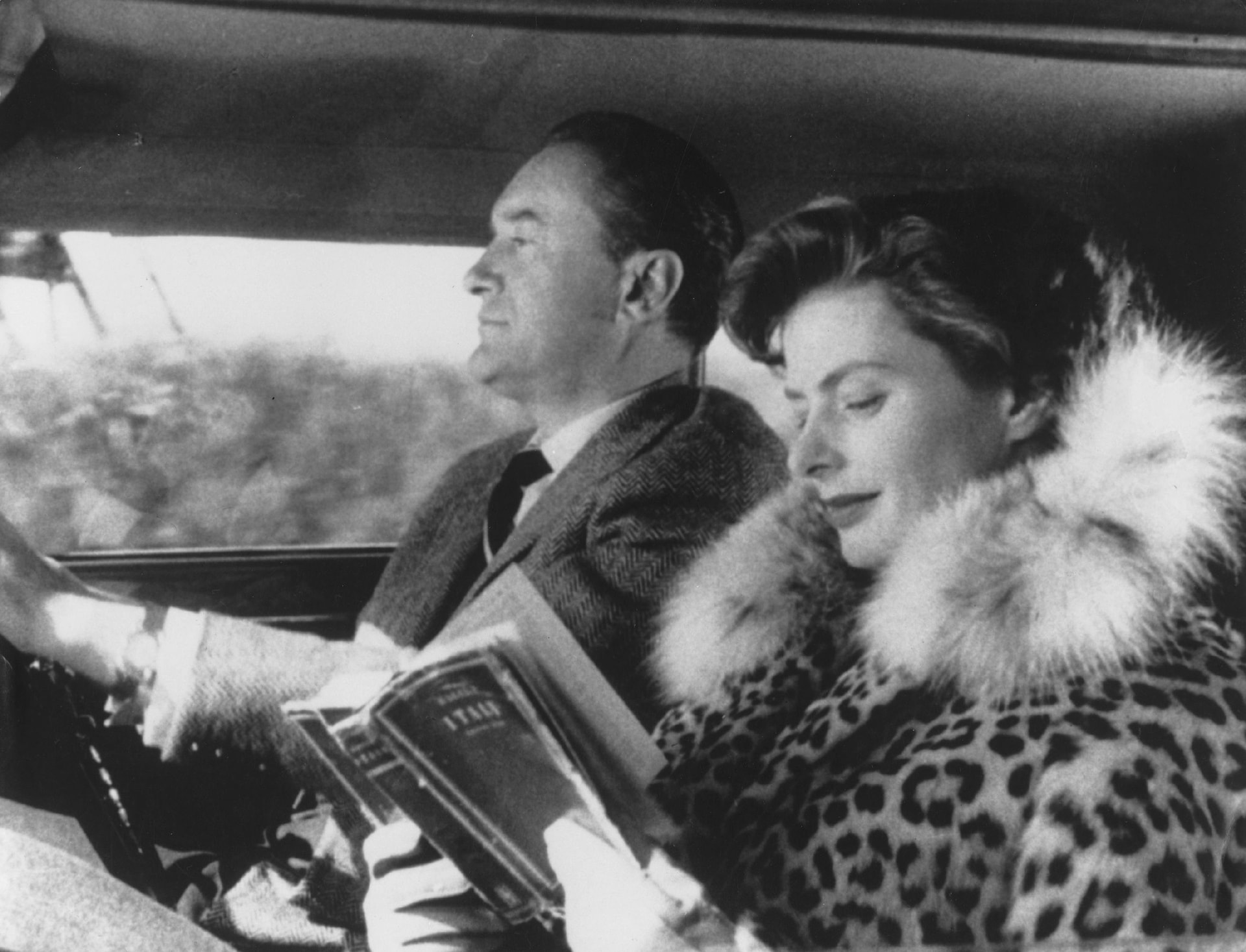
Viva Ingrid! with Journey to Italy presented by Isabella Rossellini
In person: Isabella Rossellini
DCP / 4K DCP
Screenings
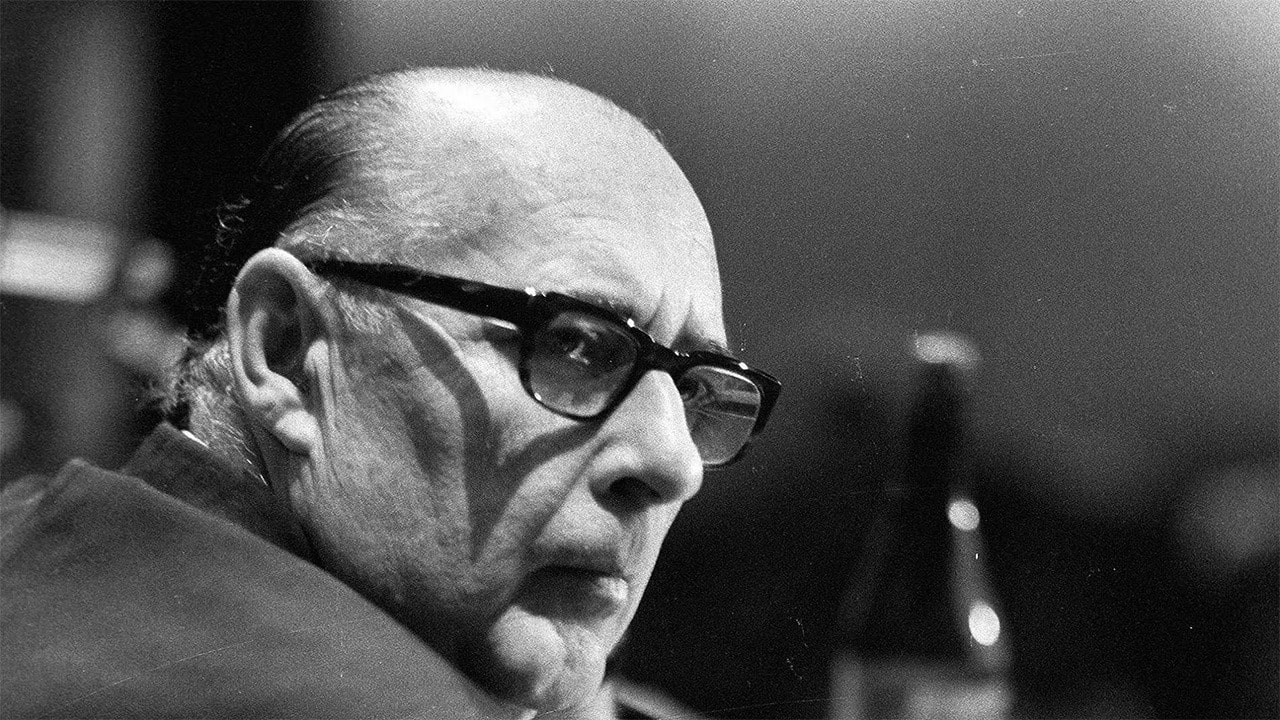
Rossellini Through His Own Eyes (Rossellini visto da Rossellini)
“Neo-realism is above all a moral standpoint from which to look at the world,” Roberto Rossellini proclaimed in 1954, and this conviction led him not just to make lasting contributions to the neo-realist mode, but also equipped him to articulate his artistic ideas into spoken language. In this loving documentary portrait of the father of the cinematic movement, scholar Adriano Aprà uses archival footage and interviews with Rossellini to underscore the filmmaker’s unique eloquence, and the ways his life and work combined into his singular vision.
DCP
Screenings
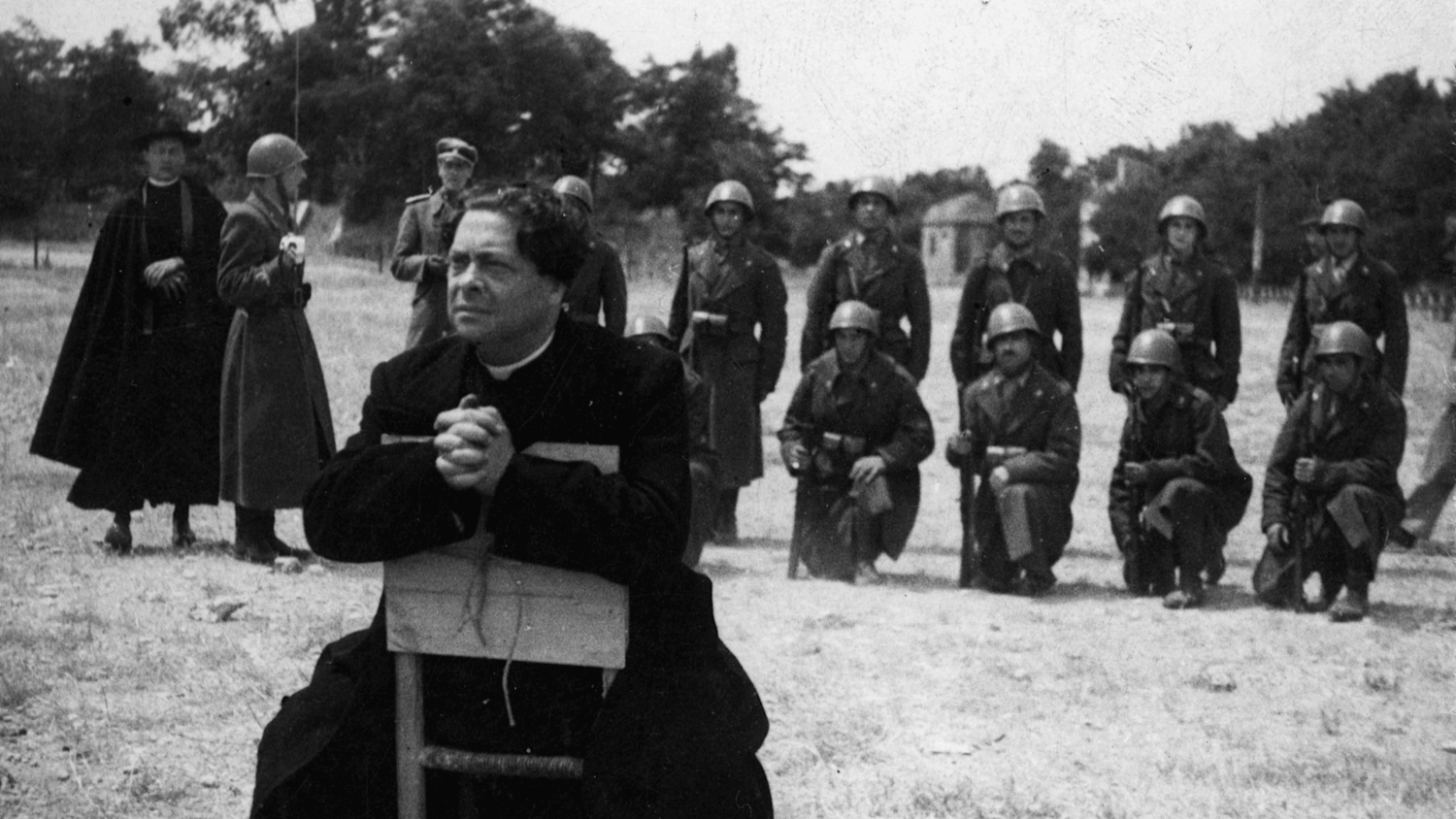
Rome, Open City (Roma città aperta) in 35mm
Made for less than $20,000 just after the liberation of Italy by US forces, Rossellini’s first installment in his Neo-Realist Trilogy, which also includes Paisan (1946, screening on November 15) and Germany, Year Zero (1948, screening the same day), is also considered the first product of neo-realism. The devastation of Nazi-occupied Rome serves as an all-too-real backdrop for a story that could have been ripped from the headlines: a resistance leader (Aldo Fabrizi) is pursued through town as he seeks shelter and a safe escape. With “the terror of German occupation [...] still vivid in the minds of everyone,” (Patrizio Rossi, 1988) including Rossellini’s lead actress, the great Anna Magnani, Rome, Open City serves as a prototype for a series of films that characterize the best of Italian cinema.
35mm
Screenings
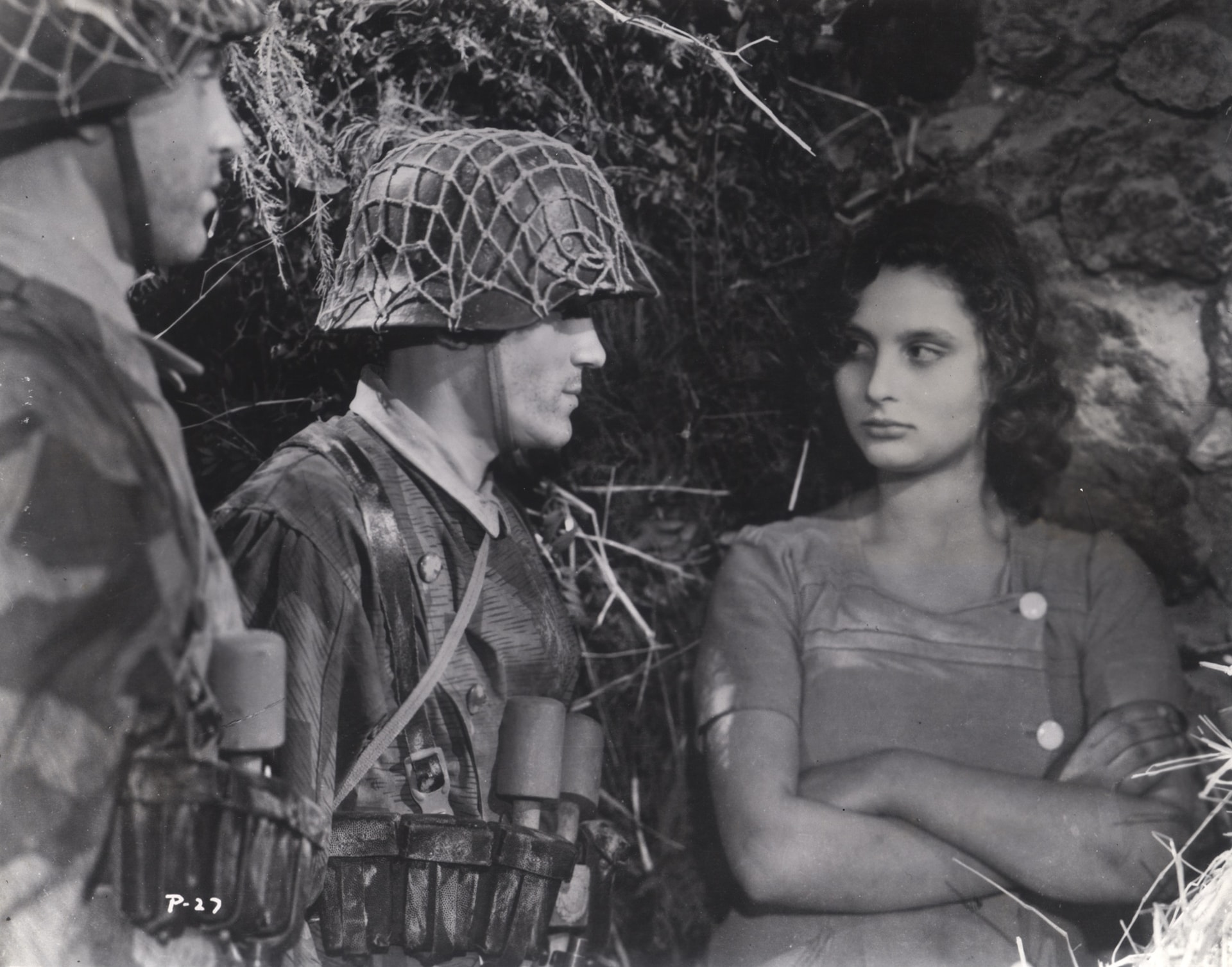
Paisàn in 35mm
The second installment in his WWII trilogy and one of Rossellini’s favorites of his films, the episodic Paisàn is another depiction of the tribulations of the Italians under German occupation. Its title translates to “fellow countryman” and takes a broader view of Italy than his previous Rome, Open City (1945), moving the action outside the capital to focus on the interactions between American armed forces and the country residents impacted by conflict. Future Italian auteur Federico Fellini co-wrote the screenplay, which came together on the fly, with dialogue of each sequence written just before it was filmed.
35mm
Screenings
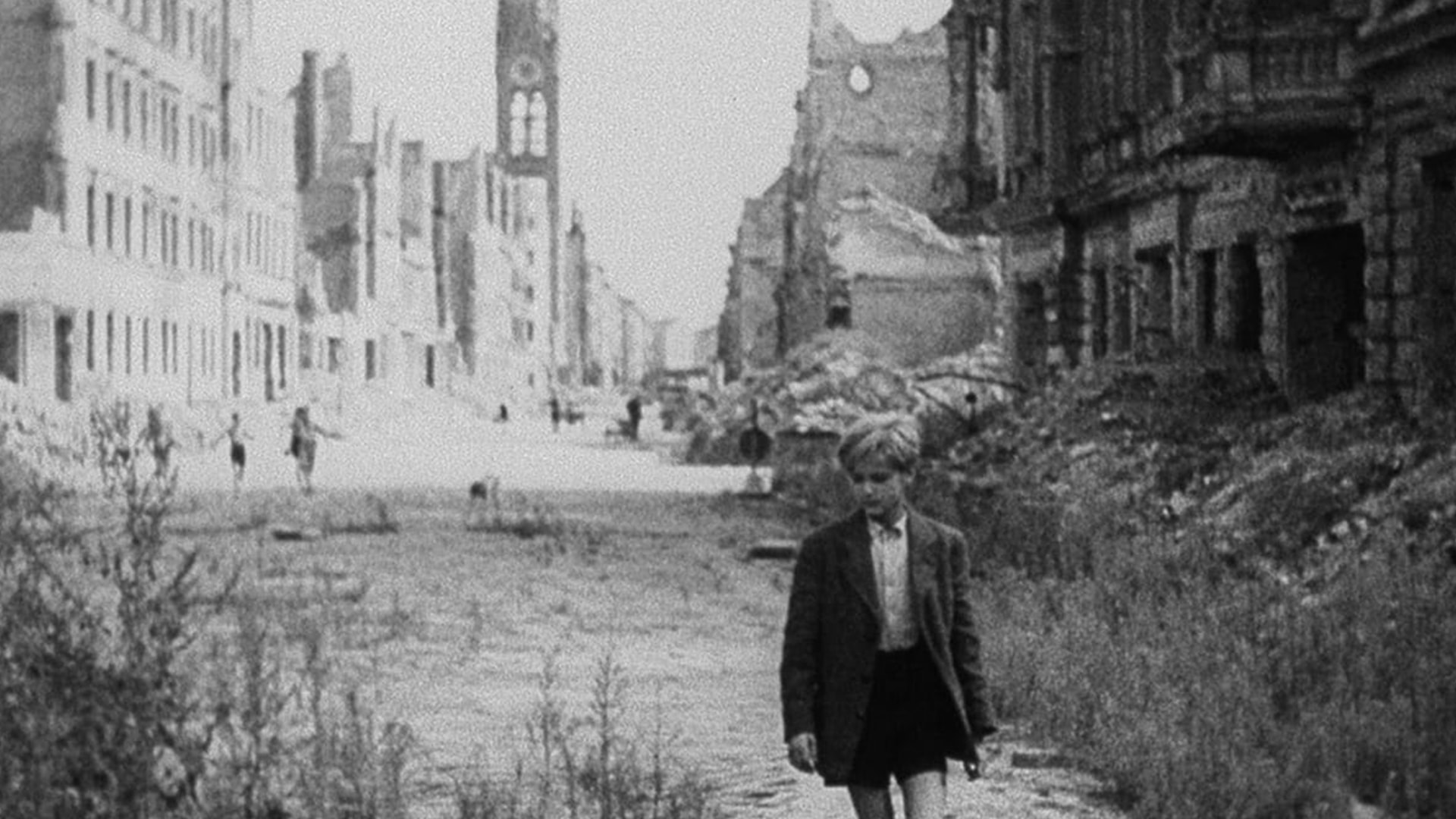
Germany Year Zero (Germania anno zero) in 35mm
Released the same year the first theories of neo-realism were published in film magazines Esprit, La Revue du Cinéma, and Bianco e Nero by acclaimed critics, including André Bazin, Germany Year Zero rounds out Rossellini’s WWII trilogy and brings a continental scope to the devastating impact of Hitler’s final solution. By centering the story on a young boy navigating the devastating implications of war, Rossellini accentuates the stark contrast between generations. A major influence on François Truffaut’s The 400 Blows (1959) and cast with people the director found by exploring the four zones of Berlin, Germany Year Zero would, Rossellini hoped, “reproduce the truth exactly as the camera saw it for that audience through the entire world which has a heart capable of love and a brain capable of thought.”
35mm
Screenings
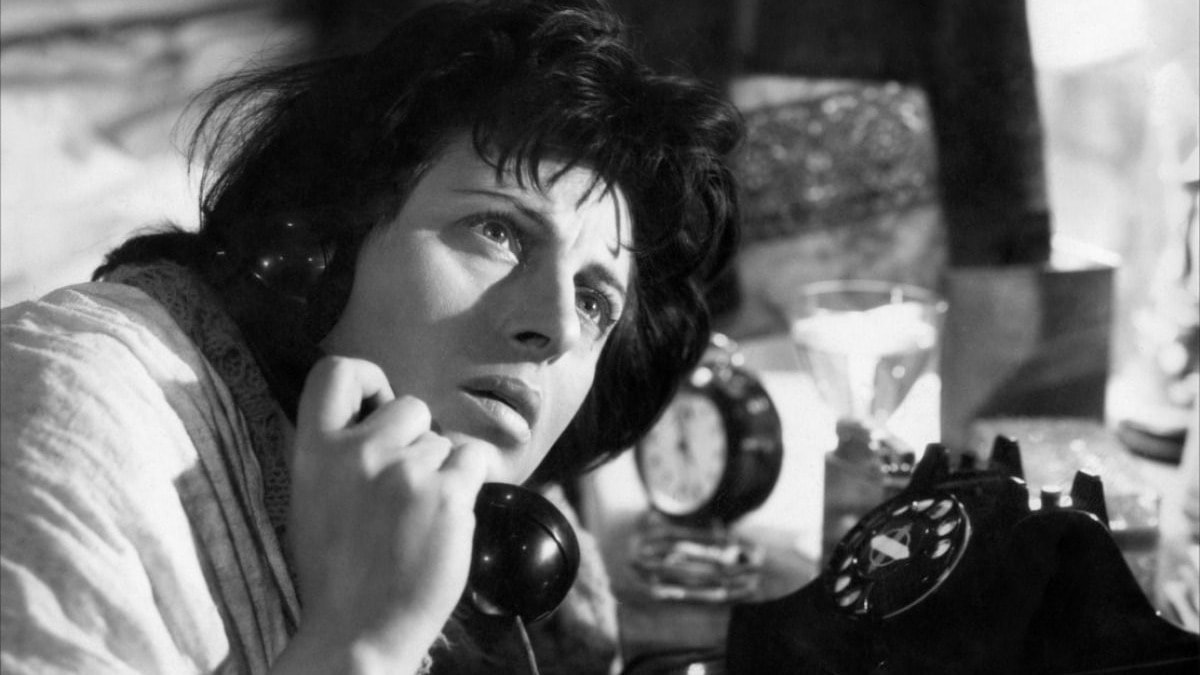
L’amore in 35mm
“I’ve made films in episodes because I feel more at ease like that.” —Roberto Rossellini, 1952
Rossellini’s appreciation for episodic storytelling, which his later forays into television allowed him to explore with more freedom, first began in feature-length filmmaking. Part one, titled “Una voce umana,” is based on a play by Jean Cocteau and features the filmmaker’s then-lover, esteemed actress Anna Magnani, known only as the woman on the phone, speaking to a former flame. In part two, “Il miracolo,” a woman is sure she is pregnant with the child of a saint.
Two years later, “Il miracolo” was released in the US as part of another anthology, The Ways of Love. Upon that film’s release, Rossellini was charged with blasphemy by the archbishop of New York City, though the international version was lauded as the best foreign film that year by New York critics.
35mm
Screenings
Screenings
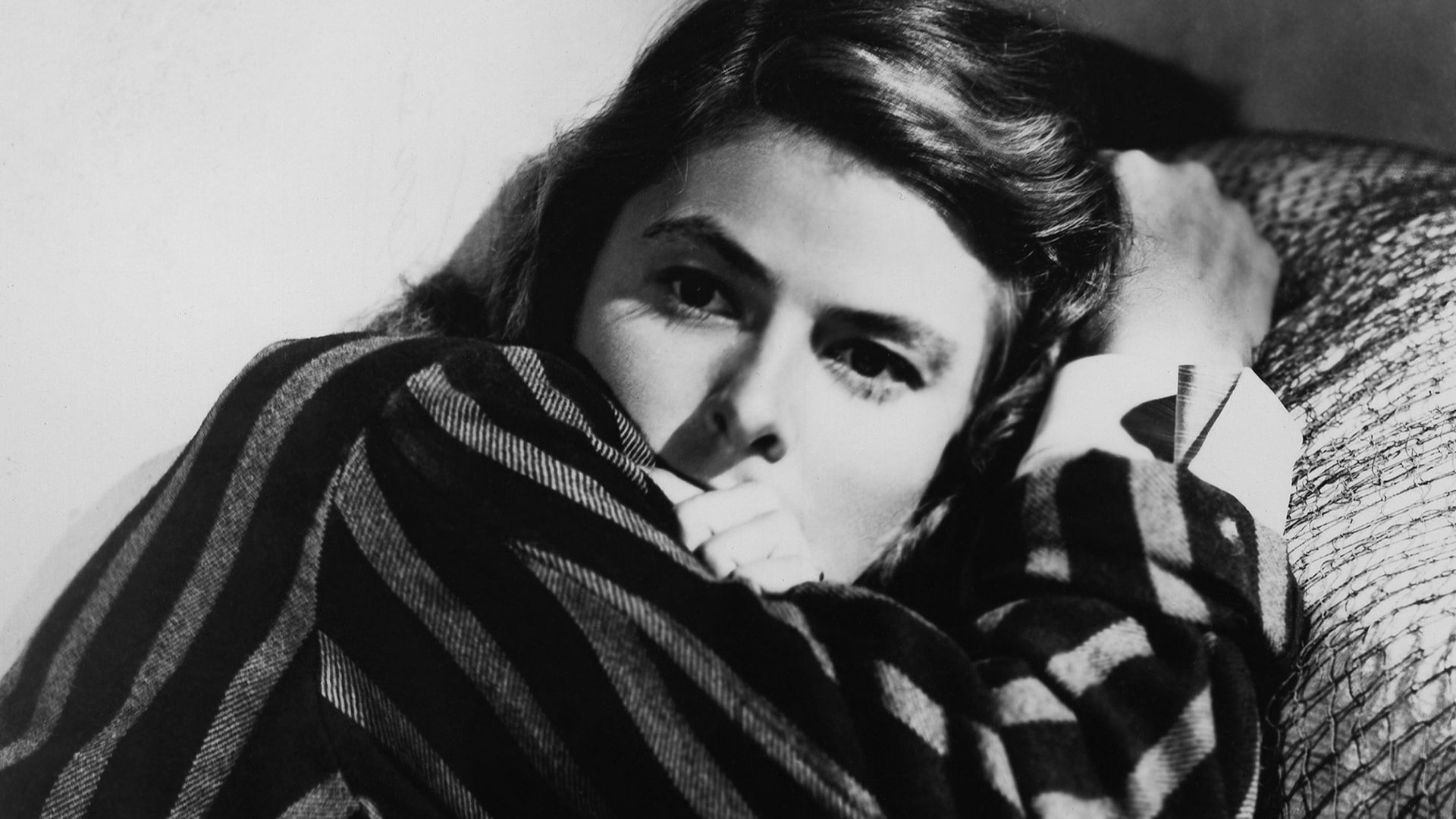
Stromboli in 35mm
Named for the volcanic island in the Tyrrhenian Sea, Rossellini's first collaboration with Swedish actress Ingrid Bergman is a heartbreaking tale about a young Baltic woman who follows an Italian fisherman to his tiny, isolated village. Married swiftly after their release from an internment camp, she begins to struggle as her refined upbringing clashes with the rough local lifestyle, causing strain on her marriage and her psyche.
It was Bergman who first contacted Rossellini after seeing Paisàn in 1948 in hopes of collaborating, and the making of Stromboli marks the beginning of a love affair that ended the filmmaker’s marriage and caused an international scandal when Bergman announced their pregnancy. For Rossellini, the project also signals a creative shift, at least to some critics, away from realism and into a deeply psychological phase.
35mm
Screenings
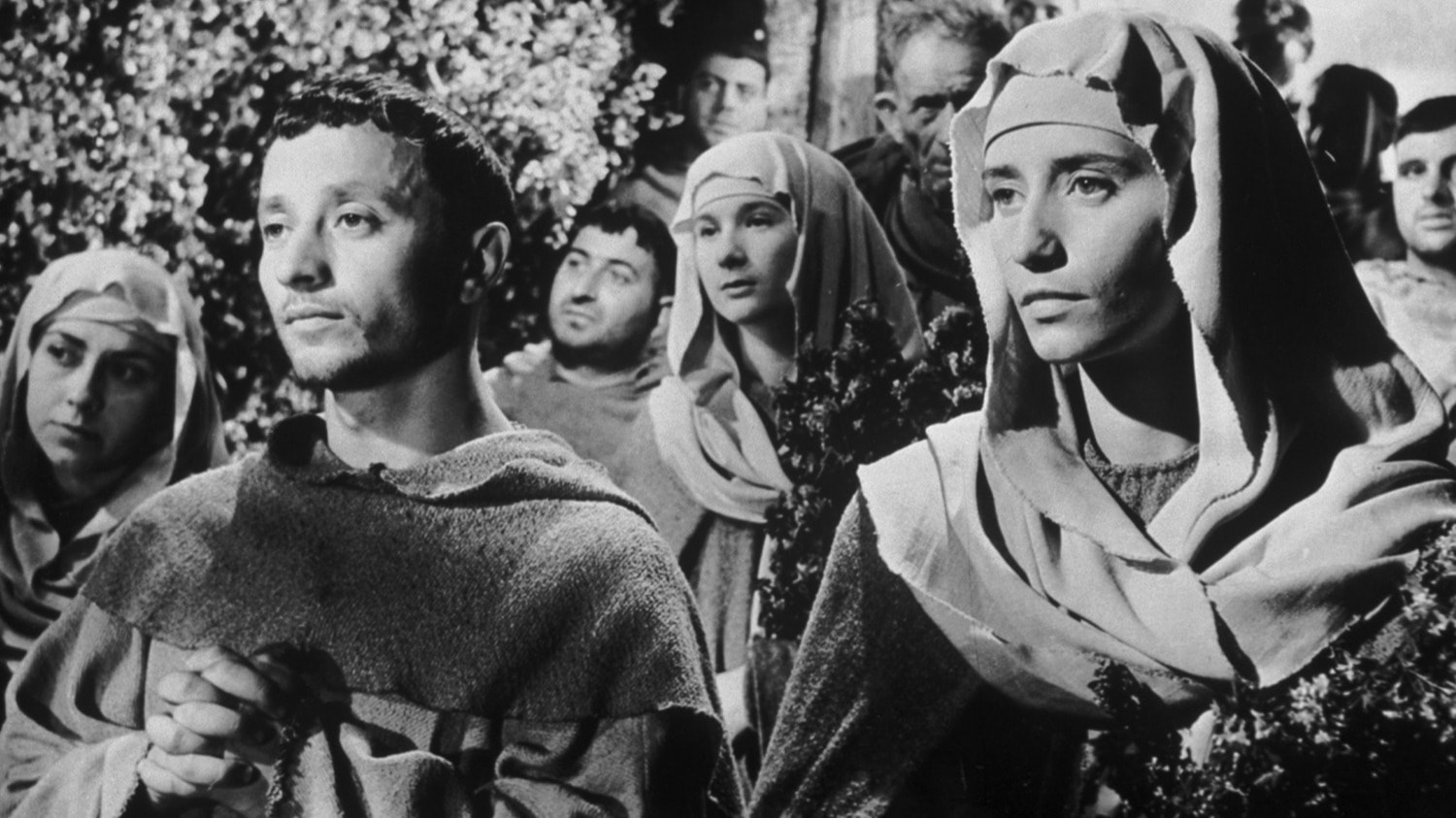
The Flowers of St. Francis (Francesco, giullare di Dio) in 35mm
Inspired by the writings of Saint Francis of Assisi and the hagiographic texts about his loyal follower Brother Juniper, The Flowers of St. Francis is composed of simple vignettes that beautifully illustrate the humane life lessons of the People’s Saint. Using only one professional actor, with the rest of the cast comprised of friars from the Franciscan monastery, Rossellini’s film brings into focus, as he put it in 1950, “the merrier aspect of the Franciscan experience, the playfulness, the ‘perfect delight,’ the freedom that the spirit finds in poverty, and in absolute detachment from material things.”
35mm
Screenings
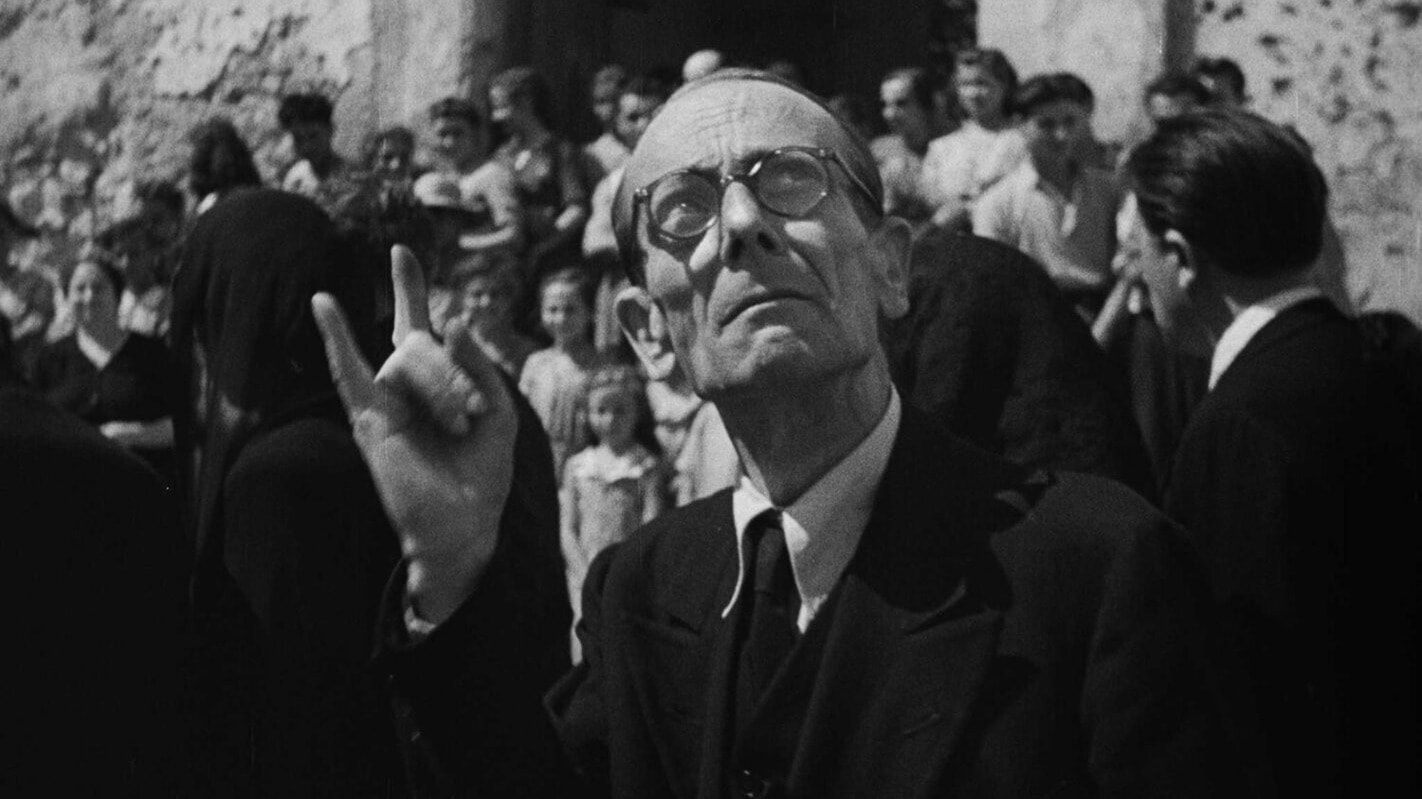
The Machine That Kills Bad People (La macchina ammazzacattivi) in 35mm
One of Roberto Rossellini's most singular and unheralded works, this potent blend of neorealism and fantasy is an idiosyncratic, lighthearted fable. In a fishing village on the Amalfi Coast, a stranger claiming to be a saint bestows a photographer’s camera with the power to kill bad people by photographing existing pictures of them. Initially, the photographer uses his newfound weapon to eliminate abusers of power. But before long, he succumbs to the very same amoral selfishness he once claimed to despise. When asked in a 1970 interview whether the film was about filmmaking, Rossellini replied, "It's rather a game, an attempt at comedy, [...] an isolated experiment."
35mm
Screenings
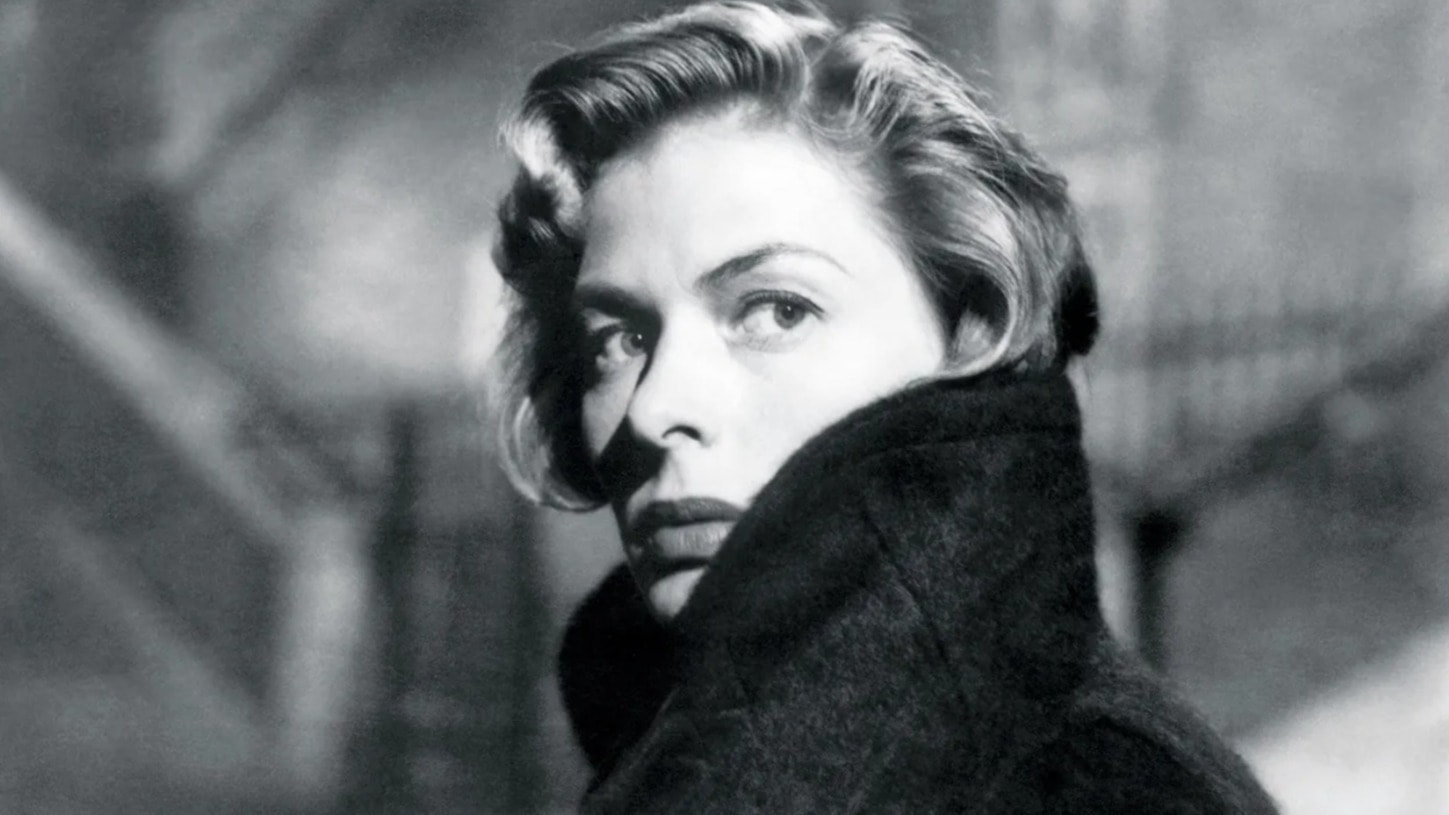
Europe ’51
According to Roberto Rossellini, Europe ’51 is a retelling of his film The Flowers of St. Francis (Francesco, giullare di Dio, 1950), from a female perspective. Ingrid Bergman portrays a wealthy American socialite living in Rome, moving through grief and guilt over the death of her son. As she sets out on a journey of newfound selflessness, devoting her time and money to the less fortunate, her husband and the community question her sanity.
With Rossellini often pushing his actors to improvise dialogue, Ingrid would receive her lines only minutes before rolling. She would often reference this time as a difficult challenge. Working with first-time actors, with no written dialogue, and all during a Roman heat wave while Ingrid was pregnant with twins Isabella and Isotta, the director and actress proved their grit as a filmmaking duo.
DCP
Screenings
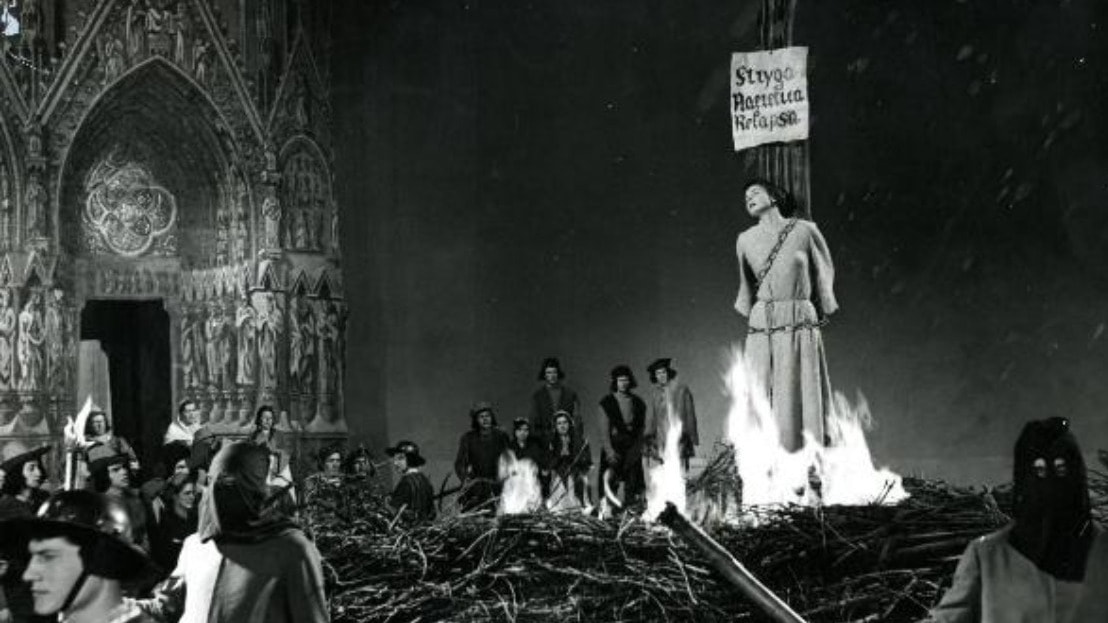
Joan of Arc at the Stake in 35mm
In this filmed version of Paul Claudel and Arthur Honegger’s oratorio, or sung mystery play, Rossellini’s wife, Ingrid Bergman, plays Saint Joan of Arc in the final minutes of her life. Shot in rich Gevacolor, a Belgian affiliate of German Agfacolor, this surreal musical is the fourth of five projects the couple made together. In a 1954 interview, Rossellini said of the project: “It’s a very strange film. I know it will be said that my involution has reached its maximum limit, that I am digging my own grave. It is not a filmed play, it is pure cinema, and I would even go as far as saying it is neorealism as I have always intended it.”
A commercial failure on its release, this 35mm screening of an imported 35mm print from Italy is one of the rarest titles featured in this series.
35mm