About the exhibition
Just in time for Halloween 2026, the Academy Museum will unveil The Horror Show, a bold and immersive exhibition that bridges the gap between cinema and experience, honoring horror’s enormous cultural impact and enduring popularity.
On view from September 26, 2026, to July 25, 2027, The Horror Show will explore and celebrate horror cinema, highlighting select tropes and themes, all centered around the question: Why do horror films matter so deeply to so many?
Blurring the line between museum presentation and eerie spectacle, The Horror Show will take visitors on a journey through cinema, starting with an introductory gallery sound installation, into “The Hallway” — modeled after the common horror trope—that will lead to six distinctly themed galleries: Gothic, Psychological, Science, Slasher, Religion, and Ghosts. Each gallery invites visitors into iconic settings, where they will encounter their favorite creatures, monsters, and objects.
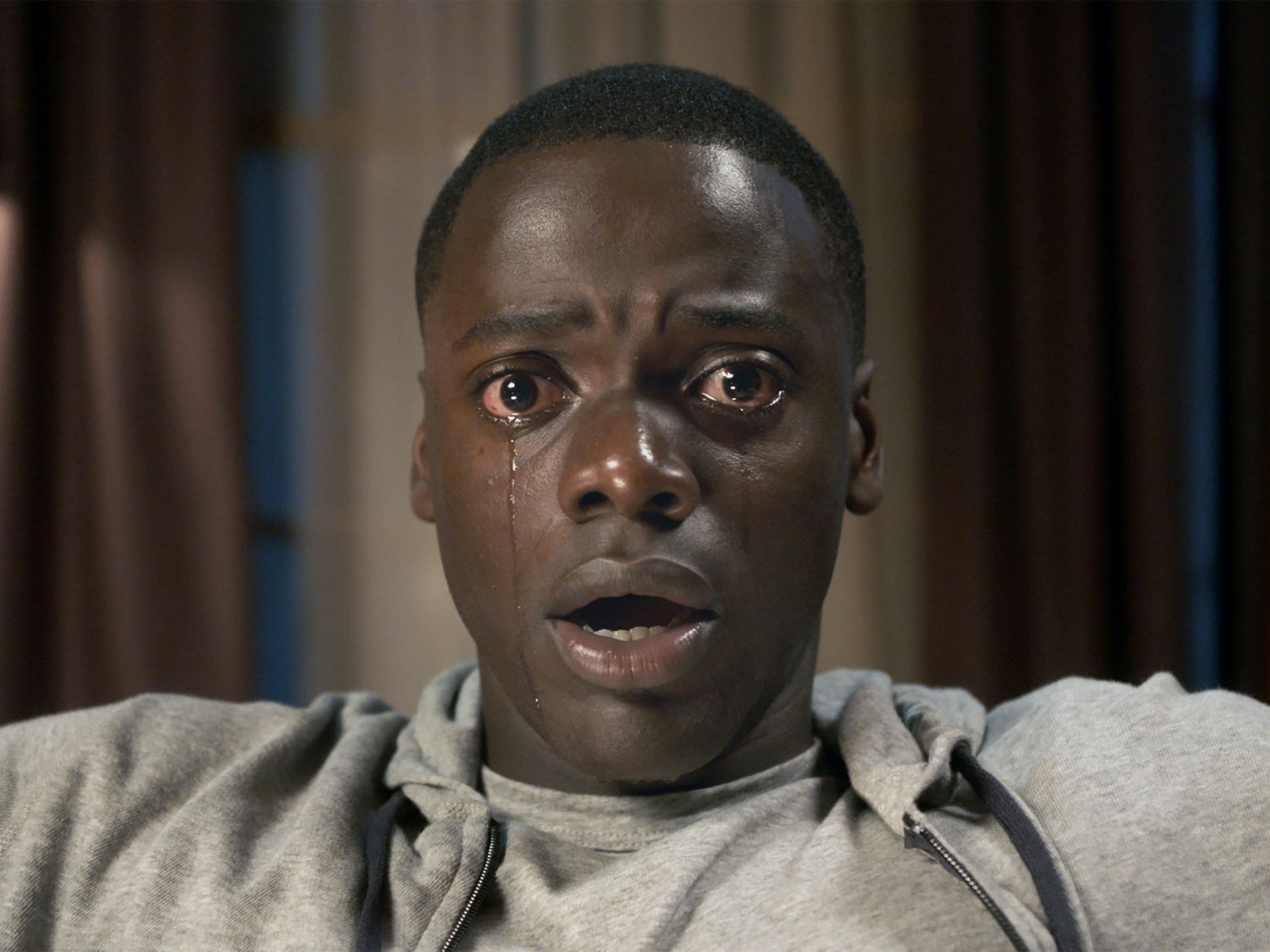
The exhibition will explore representations of identity, sexuality, and ability in horror films including: Alien (1979), The Horror of Dracula (1958), A Nightmare on Elm Street (1984), Dracula (1931), Frankenstein (1931), Get Out (2017), Halloween (1978), Ju-on (1998), Midsommar (2019), Misery (1990), Poltergeist (1982), Ringu (1998), The Blair Witch Project (1999), The Exorcist (1973), The Shining (1980), The Silence of the Lambs (1991) and The Texas Chainsaw Massacre (1974)—while also offering a behind-the-scenes look at the storytelling and production processes of these films.
The Horror Show is organized by Senior Exhibitions Curator Jessica Niebel with Assistant Curator Nicholas Barlow, and Curatorial Assistant Alexandra James Salichs. Additional support by THI Moving Image Lab Curatorial Fellow Bradford Nordeen.
This exhibition explores themes that may not be suitable for all ages and may disturb some visitors. Parental guidance is advised. If you have questions about the content, please speak with a gallery associate.
Related Events
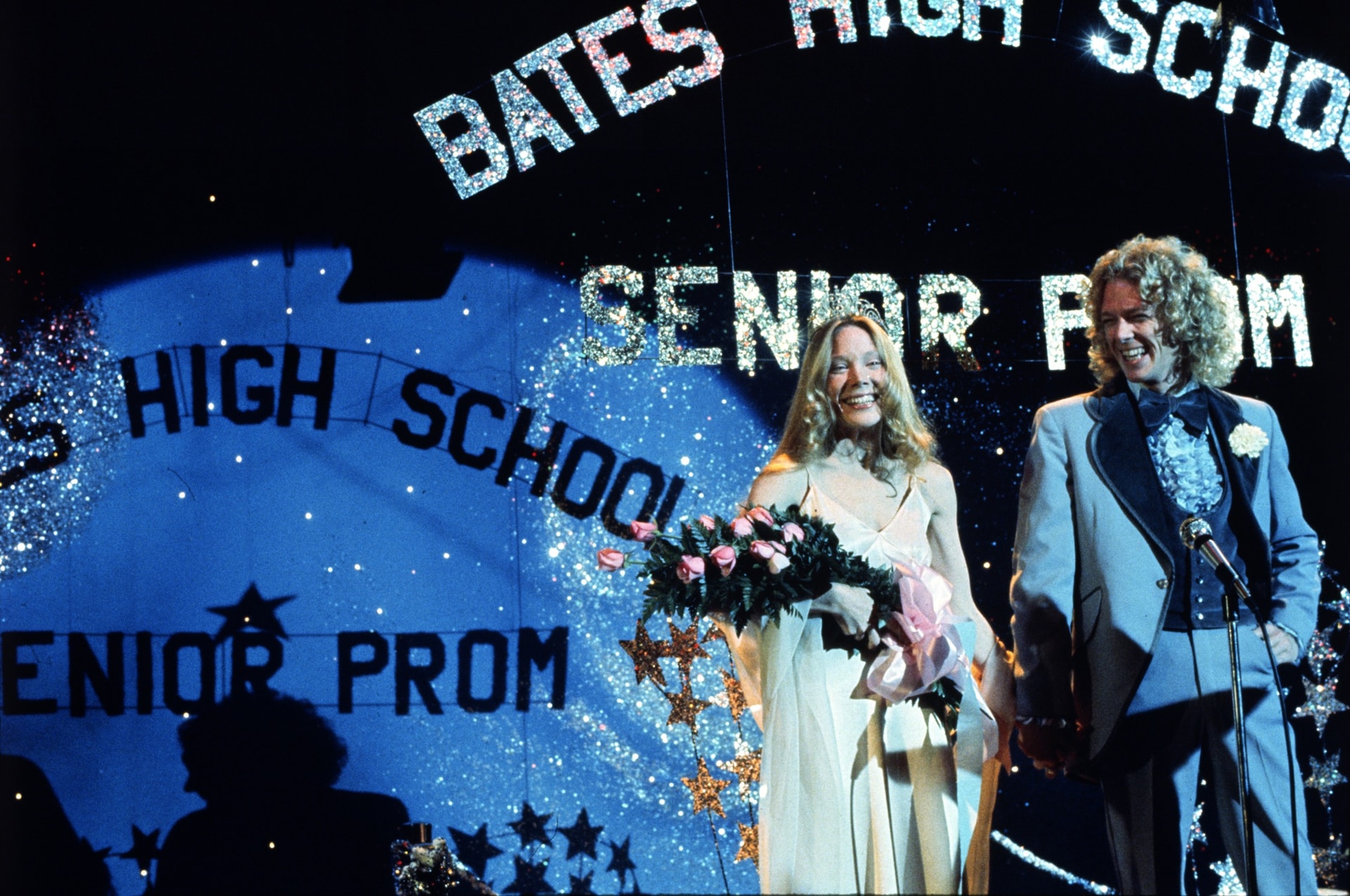
Screenings
Special Events
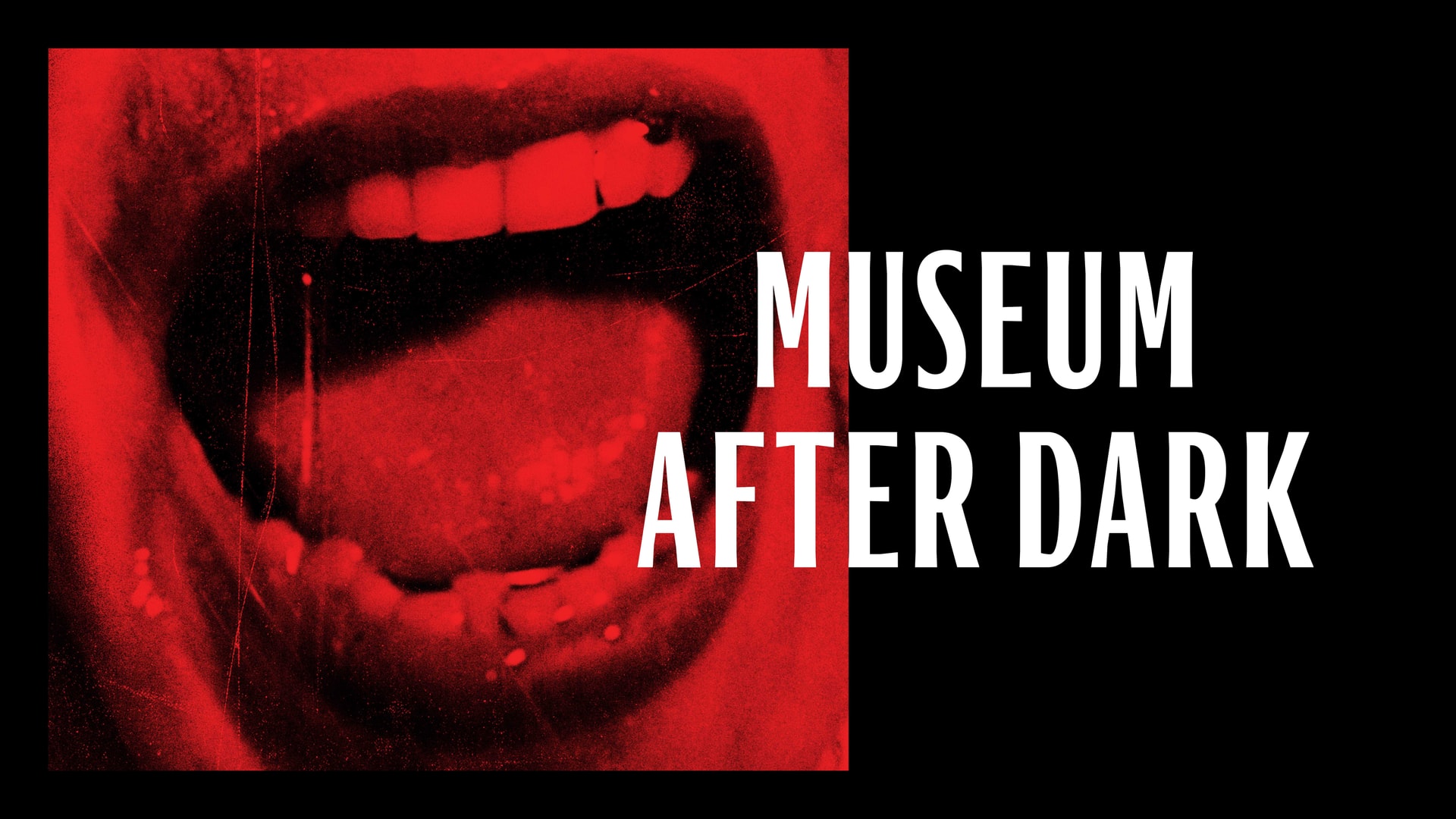
Museum After Dark
Celebrate Halloween at the Academy Museum with a goth-themed after-hours party: cocktails, tarot readings, a special guest, and a screening of The Craft (1996).
Special Events
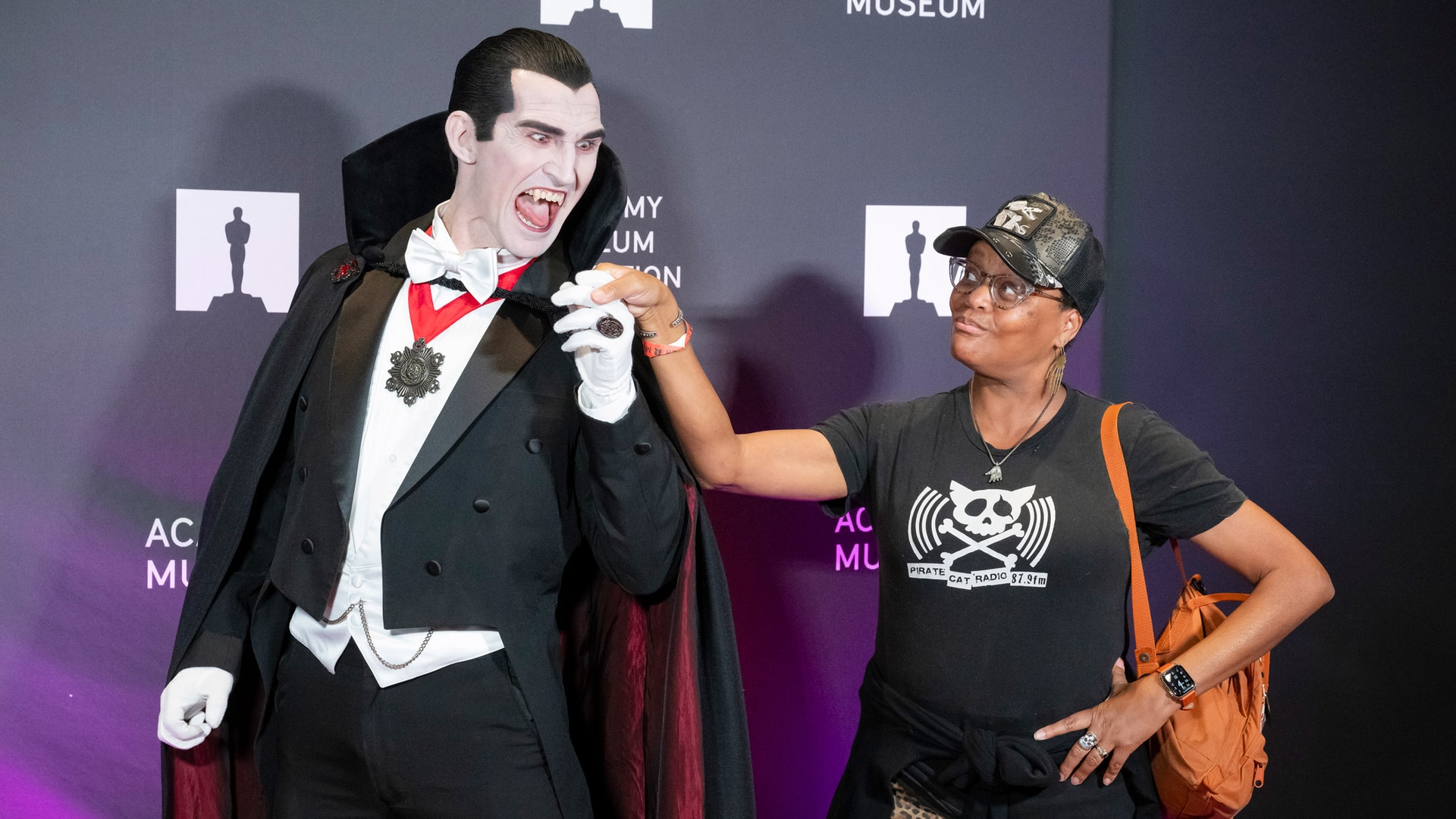
Monster Mash
Calling all creatures of the night: join the Academy Museum for a fang-tastic day exploring the vampire, the most famous creature of the dark, with special-effects demos, thrilling tours, monster appearances, and more.
Supported By

The Horror Show is made possible in part by leadership support from Hammer Films and John Gore Studios. Generous support provided by Dave and Tara Dollinger, Regal, and Kimberly V. Strauss. Additional support provided by the Los Angeles County Board of Supervisors through the Department of Arts and Culture. Academy Museum Digital Engagement Platform supported by Bloomberg Philanthropies. Technology solutions generously provided by Christie®.